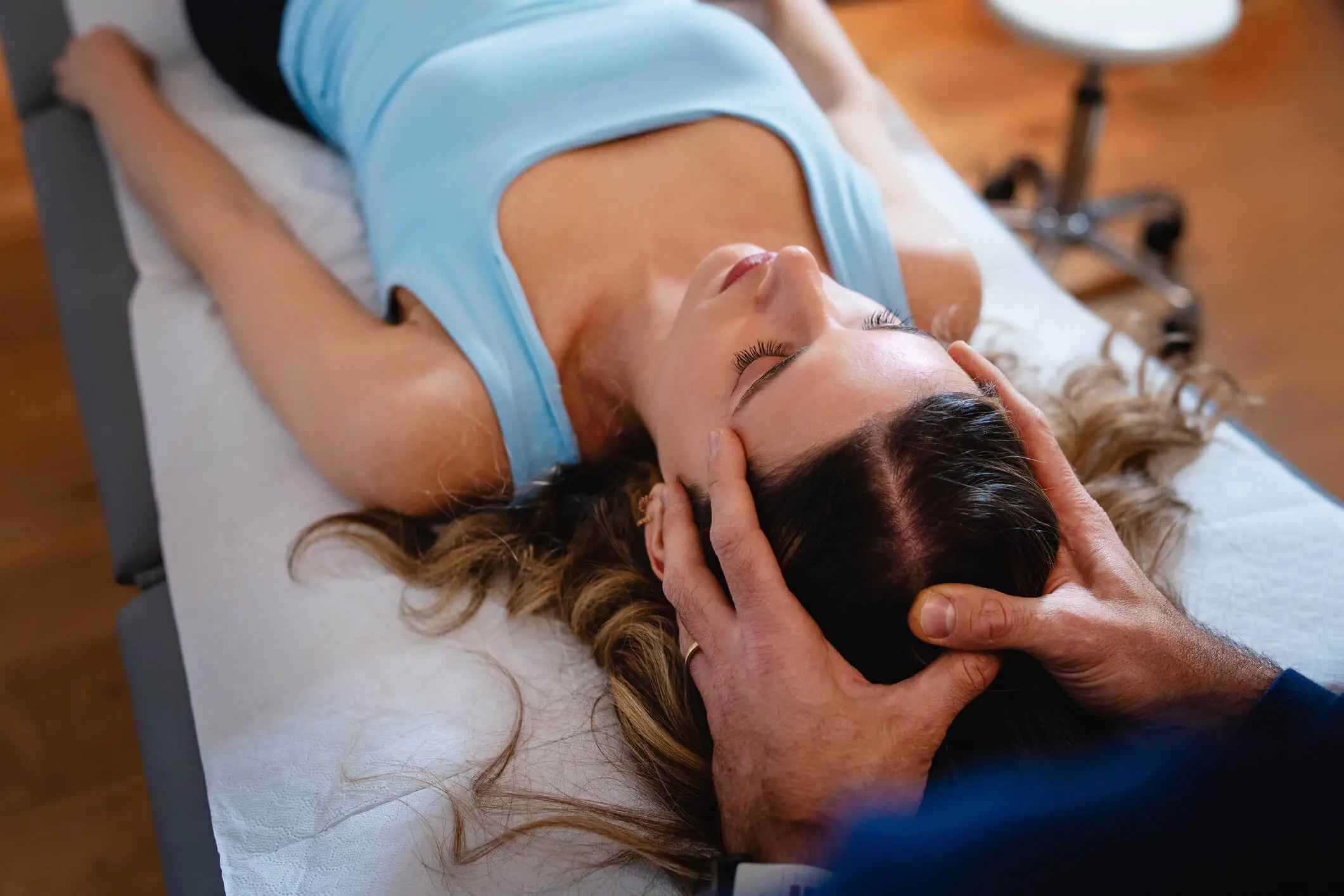
Trauma release breathwork was first discovered as a therapeutic process to help clients process trauma without experiencing emotional pain. With trauma release breathwork therapy, breathing patterns are used to access the unconscious — a part of the brain and central nervous system that is usually inaccessible. Learn more about how this therapy works and how it may benefit you at The Sanctuary.
The breathwork practiced at The Sanctuary is a sophisticated evolution of techniques first developed as a natural alternative to psychedelic research in the 1960s. It is designed to activate your “internal pharmacy,” proving that the most profound healing tools are already within you. By using the breath as the primary catalyst, we bridge the clinical and the spiritual, allowing you to access expansive states of consciousness that facilitate deep, lasting healing and sustainable change.
The core of this work lies in its ability to intentionally alter brain chemistry and neural patterns. Unlike convential talk therapy, the breath bypasses the logical mind to:
Trauma from childhood, sexual abuse, or PTSD is often “stuck” in the body’s cellular memory. Our breathwork is designed to move this energy somatically and emotionally:
At The Sanctuary, we view the breath as an effective tool for reclaiming your agency. It is a bridge between the clinical science of the brain and the spiritual truth of the soul. By mastering the breath, you become the Architect of your own recovery—moving through the energy of the past and stepping into a future defined by holistic integration and self-mastery.
Trauma release breathwork is a holistic approach to therapy, treating the whole body — mentally, physically and spiritually. Overall, it works to activate your natural ability to heal from previous trauma or addiction.
Specifically, trauma release breathwork therapy can help:

Since trauma release breathwork exercises include quick breaths similar to hyperventilation, there are some concerns about this exercise. Hyperventilation can occur when an individual’s carbon dioxide (CO2) blood level drops because of rapid breathing. However, this usually happens in an uncontrolled environment, leading to the risks of panicking or feeling ill.
Trauma release breathwork can alter the blood’s CO2 and oxygen levels but does not present the same risks as hyperventilation. This therapy is guided by a highly trained professional who will ensure the client remains safe and their inhales and exhales stay even.
At The Sanctuary, you can become involved in a one-of-a-kind treatment program focused on whole-body healing. We can assist you with your recovery goals for a total life transformation. Trauma release breathwork therapy in Sedona is one of our many therapy options to get you on the right track.
For more information about our services, call us today to find out how we can help.