
Read More
5 min read

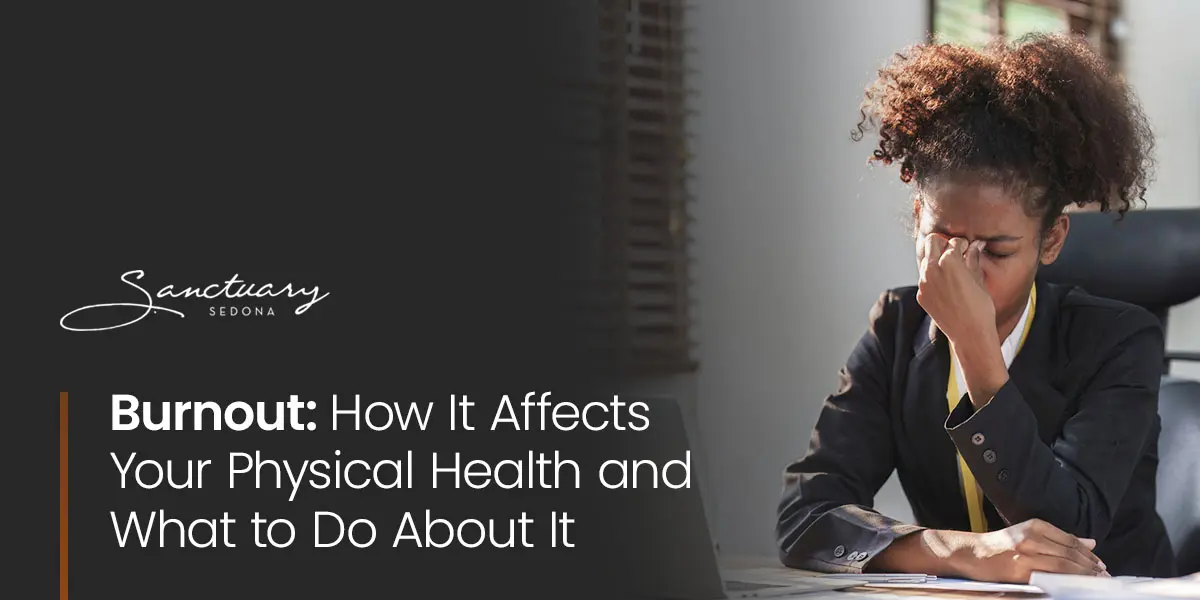
When mental and emotional exhaustion lingers, it begins to show up as physical symptoms, often long before we recognize them for what they are. Unfortunately, many people continue to push through, ignoring the warning signs their bodies send.
However, there's a more effective path. Below, we’ll explore how burnout impacts physical health and the practical steps you can take to begin your journey toward lasting well-being.
A core component of how burnout affects your health is through emotional exhaustion. In a nutshell, emotional exhaustion is a state of feeling emotionally worn out and unable to cope. This goes beyond occasional tiredness. Exhaustion affects the brain and body on a neurological level.
It keeps the nervous system in survival mode, where cortisol and adrenaline levels stay high. Over time, this can result in:
The nervous system loses its ability to self-regulate, which explains why burnout can feel so unshakeable and why typical self-care tactics often fall short.
While many people may associate burnout with feeling mentally drained, its effects run far deeper. Burnout and physical health are closely intertwined.
One of the most critical ways burnout and physical health intersect is through the cardiovascular system. Prolonged work-related stress, anxiety and exhaustion can elevate the risk for cardiovascular disease.
For example, deadline pressures can trigger a racing heart, tightness in your chest or heart palpitations. In addition, long-term stress and exhaustion can contribute to high blood pressure risk factors.
The connection between burnout and immune system health is unmistakable. Chronic stress weakens the body’s ability to fight infections and increases inflammation throughout the system.
Common signs your immune system is struggling include:
When the immune system is constantly working in overdrive, its ability to protect the body weakens significantly.
Burnout can manifest as musculoskeletal issues, which involve challenges with your muscles, joints, bones, ligaments and tendons, leading to pain, stiffness and limited movement. Chronic stress and anxiety often translate to muscle tension and body aches. People experiencing burnout may carry tension in their shoulders, neck and lower back.
Other signs of musculoskeletal strain include:
Burnout throws your hormones into chaos. It can directly impact the endocrine system, which regulates hormones like cortisol, adrenaline, estrogen, progesterone and insulin.
When stress becomes chronic:
This hormonal imbalance can significantly impact your well-being, even when burnout seems subtle.
The digestive system is closely tied to mental health, thanks to the gut-brain axis. Stress changes the balance of the gut microbiome, disrupts digestion and increases intestinal permeability, leading to immune reactivity, fatigue and nutrient absorption issues.
Here are some common digestive effects of burnout:
Supporting gut health is essential when addressing burnout and physical health, as it influences everything from immune function to emotional regulation.
Chronic stress can make it difficult to relax, which can make falling asleep challenging. You might have trouble escaping your racing thoughts or notice that your senses are working overtime — an experience known as exaggerated somatic arousal or hyperarousal. Additionally, you may experience a cycle where your inability to sleep worsens your burnout, and your burnout prevents you from getting quality sleep.
High-achieving individuals, such as business leaders, creatives, health care professionals and executives, are particularly vulnerable to burnout because success often comes with self-neglect.
These individuals are often more likely to:
This can lead to challenges like fatigue, hormonal crashes and immune system burnout. Left untreated, these symptoms can compound until functioning becomes difficult or impossible.
While burnout may seem inevitable, especially for busy professionals and high performers, small and consistent actions can help reduce its impact or prevent it altogether. It’s important to understand that prevention doesn’t require a complete lifestyle change. It’s more about reconnecting with the body’s signals and giving yourself permission to pause.
Here are a few preventive approaches that can help.
Chronic stress can keep the body in a heightened state of alert, exhausting both your physical and emotional reserves. Regulating the nervous system can help restore balance. Practices like breathwork, gentle movement and meditation can help shift the body out of a chronic stress response. Even five minutes of deep breathing each day can help calm the body and mind.
Burnout often stems from blurred lines between professional obligations and personal time. Setting firm work boundaries, such as logging off at a set hour, taking real lunch breaks or avoiding weekend emails, can help your body recover.
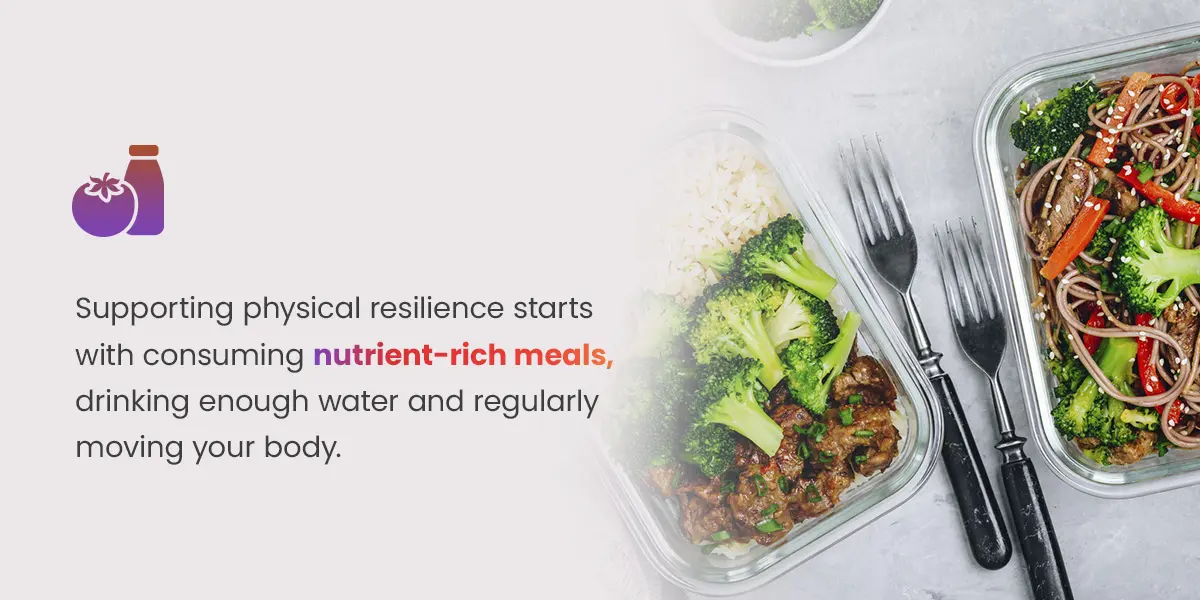
If you’re very busy at work or with life in general, you may get tempted to skip meals, rely on caffeine to keep you going or neglect hydration. Over time, this depletes the body. Supporting physical resilience starts with consuming nutrient-rich meals, drinking enough water and regularly moving your body. Think of food as fuel that can help stabilize the body.
Sleep is one of the most effective ways the body recovers from stress. Prioritizing sleep, including reducing screen time before bed and keeping a regular bedtime, can make a major difference in energy and mood.
Healing from burnout often requires a complete reset of the body and mind. If you’re seeking a truly transformative approach, The Sanctuary at Sedona can help. We offer a comprehensive Corporate Burnout Recovery Program that provides tailored strategies to address the root causes of exhaustion and restore wellness.
In addition, our Biohacking Lab provides advanced, science-based tools to support physical recovery. These include brain laser therapy, red light therapy and whole body vibration therapy sessions.

If you are reading this and recognizing your symptoms, know that you’re not alone. Burnout is mental, emotional and deeply physical. The toll on the heart, immune system, muscles and hormones is real. Recovery involves rest, addressing the underlying causes and seeking support.
The Sanctuary at Sedona offers an integrative, holistic approach for those ready to recover from burnout and reclaim their health. Healing becomes possible and sustainable through individualized care, mind-body therapies and cutting-edge recovery tools. Contact us today, and let us help you take the next step toward recovery and feeling like your old self again.