Holistic Treatment for Cocaine Addiction
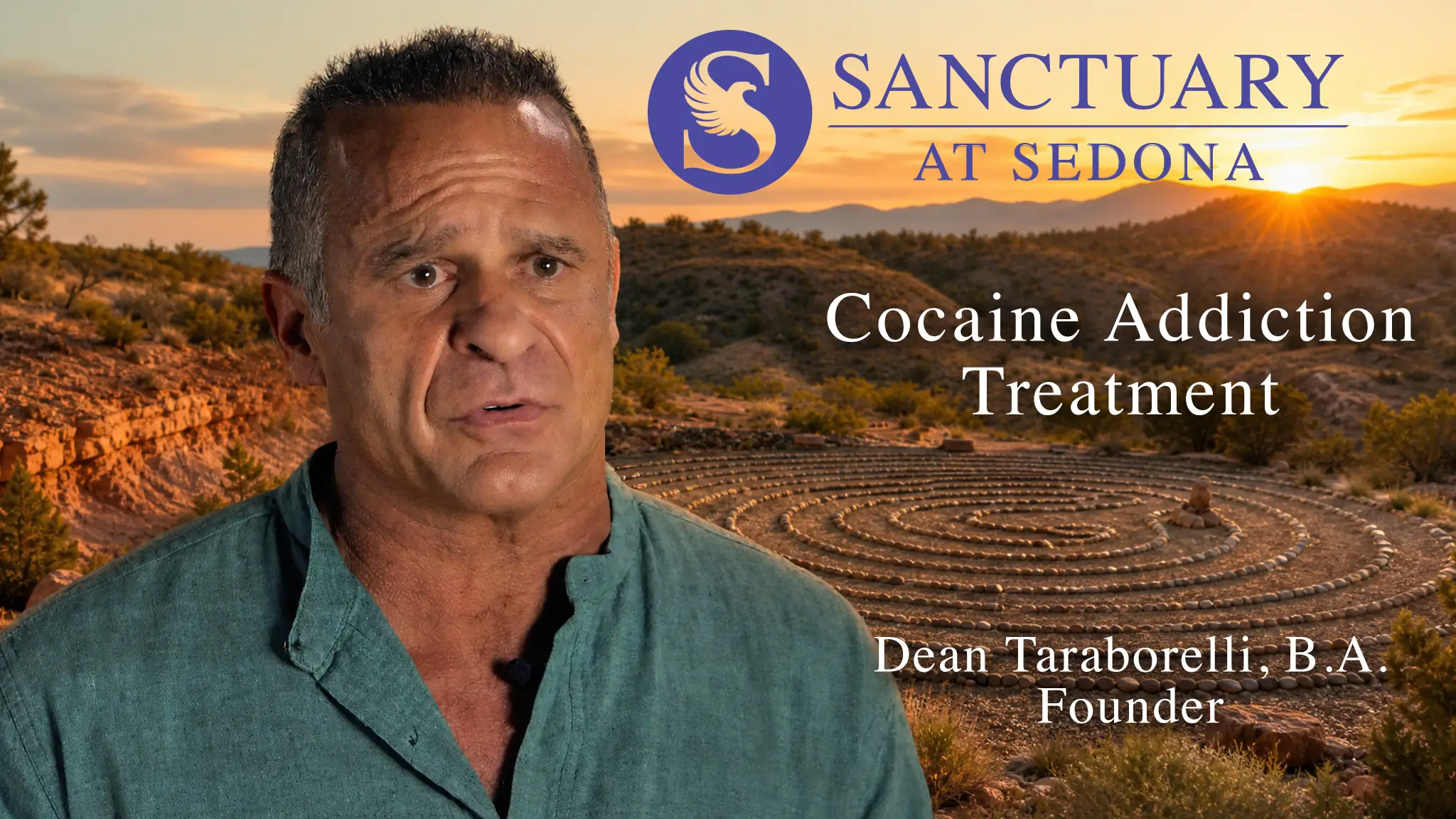
The Sanctuary at Sedona founder Dean Taraborelli discusses in detail the nature of cocaine addiction and The Sanctuary’s approach to the treatment of cocaine addiction with its integrative holistic addiction recovery program and getting to the root cause.
Cocaine is an extremely addictive stimulant that alters your thoughts, feelings and behaviors. Its euphoric effects are short-lived, and more of the drug is needed to avoid the inevitable darkness that follows, starting an addictive cycle.
You may feel that cocaine has an unrelenting grip on your life. Maybe you feel helpless watching someone you love struggle with cocaine use. We understand what you’re going through, and we can help.
The Sanctuary at Sedona goes beyond treating the substance use itself. We address what drives substance use — the unresolved pain, stress or trauma underneath.
Most traditional programs for cocaine addiction manage the symptoms. They focus on stopping use through group meetings, behavior modification and willpower.
However, research from the Substance Abuse and Mental Health Services Administration (SAMHSA) confirms that stimulant use disorders are a “biologic brain disease” and that long-term stimulant use can cause “persistent damage to the brain.” It verifies that effective treatment must repair that damage, not just manage behaviors.
Additionally, a 2024 study published in the Journal of Public Health found that burnout acts as a “stress-related mechanism” that drives people toward substances “for cognitive enhancement.” For high-achievers and professionals with demanding jobs, this rings especially true.
At The Sanctuary, we recognize these patterns. Our non-12-step cocaine treatment follows a holistic approach: Heal the Body, Repair the Brain, Recover the Soul. We help you identify and heal the trauma, burnout or emotional pain at the center of your addiction so you can recover completely.
Our non-AA cocaine addiction treatment differs in core philosophies.
AA and NA teach that addiction is a permanent condition requiring lifelong attendance at meetings and identifying as an “addict” indefinitely. The model centers on admitting powerlessness and accepting that you’ll always be in recovery.
Our non-12-step approach views addiction differently. We see cocaine dependence not as your defining characteristic, but as a response to deeper issues like trauma, stress or unmet emotional needs. By healing those root causes through science-backed and holistic therapies, we help you transform completely — achieving recovery and reclaiming your authentic self.

At The Sanctuary, we don’t believe addiction has to be a lifelong disease or that your genetics define you. You can transform and feel empowered to live a meaningful, addiction-free life, no matter how long you’ve struggled.
We know that beneath every addiction lies a cause, whether trauma, burnout or negative self-beliefs. Our non-AA cocaine rehab and mental health treatment center aims to uncover and address those root causes so you can heal once and for all. Using science-based integrative techniques and providing extensive support from admissions to intake, we help you restore balance, harmony and whole-body health.
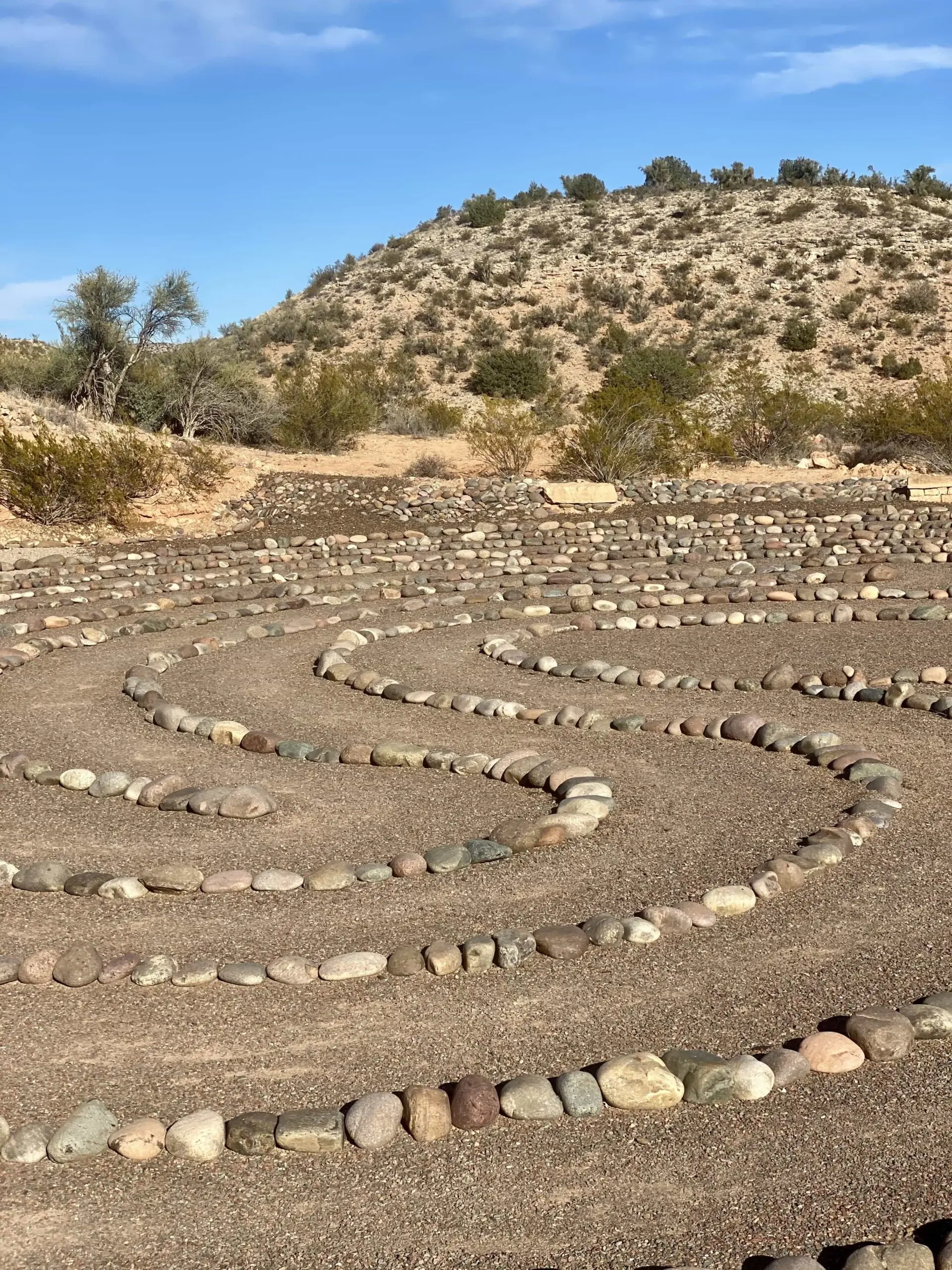
The Sanctuary’s non-12-step cocaine rehab combines evidence-based clinical therapies with holistic healing modalities. We offer personalized care on our 22-acre Sedona campus, designed specifically for healing in a peaceful environment.
Our team tailors every program to your unique needs, integrating dozens of modalities from clinical psychotherapy to alternative holistic practices like creative visualization and Jungian shadow work. The core pillars of our treatment model include:
Recovery isn’t just about quitting cocaine. It’s a journey toward building inner strength and a fulfilling life where substances no longer hold power.
The Sanctuary changes lives and leaves people feeling healed, hopeful and restored. At our treatment center for addiction, we help clients avoid relapse by:
It’s devastating watching a friend or family member suffer from cocaine addiction, and it can be challenging to understand their behaviors and choices. You’re not alone — cocaine addiction affects millions of people in the United States.
While it’s ultimately up to your loved one to embrace an addiction-free life, you can encourage them to take the first step. Here’s how you can help:
Find as much information as you can about cocaine addiction. Educating yourself will help you understand what your loved one is experiencing and determine the level of care they need.
Connect with us and share your concerns and questions. Our team of experienced counselors can recommend the next step.
Let your loved one know you're concerned about their cocaine use and remind them how much you care. Encourage them to get professional help while showing your full support and love.
We understand that cocaine addiction can feel like it’s taken complete control of your life, but it doesn’t have to last. It is possible to heal and recover from addiction, and we can help you get there.
If you or your loved one wants to take the first step toward healing, reach out to us. Our admissions coordinator is ready to listen and recommend the next step.