


Read More
3 min read

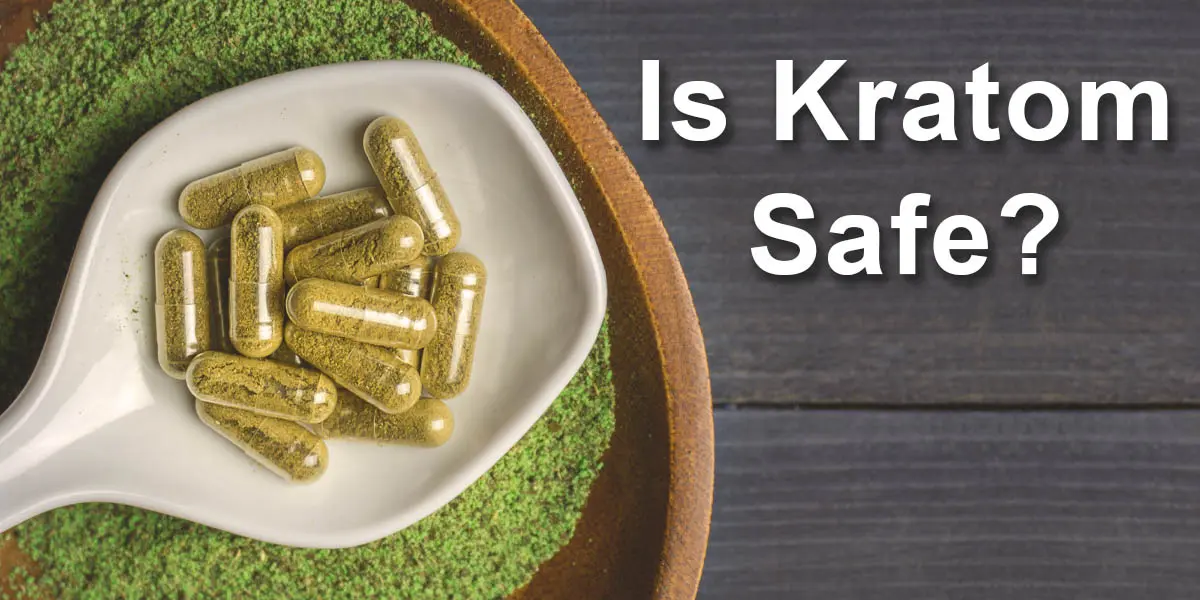
Kratom comes from the leaves of Mitragyna speciosa, a tropical tree in the coffee family that is native to Southeast Asia. Due to its natural origins, vendors often market kratom as a safe alternative to synthetic drugs. However, research by the United States Drug Enforcement Administration (DEA) shows that kratom usage is associated with dangerous side effects.
Despite what some people say about its advantages, kratom isn't safe. It contains the highly addictive compounds mitragynine and 7-hydroxymitragynine (7-OH), which stimulate the brain for a euphoric, opioid-like effect. Users who become dependent on kratom face serious health risks. At low doses, users will feel energized and alert. At high doses, users become sedated. People use kratom for a variety of reasons, from relieving pain to managing withdrawals.
Kratom comes in several forms, including powder, capsules, extracts and crushed leaves for tea. Some people also smoke or chew the leaves to get the same effects. Kratom was originally used in Indigenous cultures for ceremonial and medicinal purposes before becoming popularized in the West. Currently, as many as 15 million Americans are estimated to use kratom. While the substance is illegal in much of Europe and Asia, it remains unregulated in the United States.
7-OH is a compound derived from the kratom leaf. While the two often get mistaken for the same thing, kratom and 7-OH have several key differences, including:
Like kratom, 7-OH kratom is not safe. Ultimately, 7-OH is highly concentrated and has more intense side effects and addiction risk than traditional kratom. Because of its ability to bind to opioid receptors, 7-OH is becoming recognized for its potential for abuse. According to the U.S. Food and Drug Administration (FDA), neither substance is safe for use.
A common misunderstanding is that kratom is a harmless, holistic alternative to prescription medications. Because it can be as simple as leaves steeped in tea, people assume it is safe.
“One of the issues with kratom,” says a former Sanctuary client, “is that it’s sold and marketed as this natural substance. It’s a leaf, a plant, non-toxic, non-addictive and organic. It’s a miracle drug. Or if you ask most people, it’s not a drug at all. The problem is that none of this is really true. While it may be naturally occurring, by the time you get it on the shelves it’s absolutely not that. In the vitamin sections of health food stores, you can find kratom in capsules, powder or liquid. The branding on the packages makes it look like a healthful option for pain management or to help you get off of other opiate drugs.”
Another Sanctuary graduate echoes a similar insight: “They tell you it’s natural, that it’s a tree that comes from Asia and it’s nothing but the leaves steeped in water. And so you think, ‘Alright, this seems like something organic that you’d find at the health food store.’ It comes in a few different strains. So whatever you need in life – whether it’s energy, relaxation or feeling good – they have a strain for it. But what they don’t tell you is the dark side of the drink. In Southeast Asia where it comes from, it’s illegal. So that tells you something right there.”
Many people start using kratom because it appears to be a harmless, natural medicinal alternative. The drug is used for a wide range of purposes. Low doses are preferred for energy and focus, while high doses are used for a sedative effect. The most common applications are to:
Kratom side effects vary depending on usage. Adverse effects can look like:
Serious side effects are rare, but still occur in individual case reports. These include:
Because kratom is still relatively new on the market, it isn't as strictly regulated by the government. While it is illegal to sell kratom online for consumption, retailers get around this by marketing it as a non-consumable product.
Using kratom poses significant health risks, including addiction, adverse side effects and overdose when combined with other substances. Kratom abuse usually occurs through ingestion, whether it be pills or 7-OH extract. The FDA warns consumers against kratom, stating that it cannot be legally distributed as a drug, dietary supplement or food additive.
Kratom presents several safety concerns, such as:
Kratom addiction can be difficult to overcome, but you're not alone. Withdrawal symptoms for those on regular or high dosages may be more severe. Seek medical attention if you are experiencing:
There is a wide variety of resources for addiction recovery. Those recovering from kratom dependency may consider addiction treatment programs for a tailored healing environment.
Today, kratom can be found online and in stores across the U.S. Public safety can be improved with:
At The Sanctuary at Sedona, we understand that quitting kratom is often harder than it seems. We offer holistic mental health and addiction treatment programs that treat addiction by addressing its underlying causes. Our team of addiction specialists and counselors is experienced in and passionate about helping people overcome addiction.
Recovery is only the beginning. An exciting, fulfilling and purpose-filled life awaits. Contact us today to learn how we can help you get started on your path.