Read More
5 min read


Overcoming trauma is challenging. Thankfully, it's possible to recover and heal after a devastating ordeal and lift the heaviness that's weighing you down. Sometimes, you can move past trauma with self-care and minimal intervention. Yet, some circumstances call for a more in-depth approach to process and address the root of the trauma and treat yourself holistically, from the inside out.
This guide from The Sanctuary at Sedona provides an overview of evidence-based holistic trauma treatments. Learn about their role in facilitating comprehensive mental, physical and spiritual trauma recovery.
The American Psychological Association (APA) defines trauma as an emotional, psychological or physical response to a distressing experience that results in long-lasting negative effects on a person's behavior, attitude and ability to cope or function. Everyone experiences, responds to and copes with trauma differently, making it as unique as the person facing it. Some people experience delayed responses, while others face immediate effects. There's no one-size-fits-all approach when it comes to dealing with trauma and its aftermath.
Many scenarios or situations can cause trauma, such as:
These disturbing and emotionally impactful events disrupt your sense of safety and leave lasting effects on your psychological and physical health. Often, these events lead to a range of emotional, behavioral and physical changes that create deep-seated issues with self-worth and trust.
Trauma can affect different aspects of your self:

Trauma often needs time to heal. If it's not handled correctly and with care, symptoms can develop into chronic conditions in the long run, such as PTSD, depression, anxiety, mood disorders and addiction.
Effective holistic treatments for trauma healing use a comprehensive approach to treat the underlying causes of trauma rather than only managing symptoms. They focus on helping you heal holistically across various dimensions, while fostering meaningful, long-term recovery and coping skills. Each therapy offers a range of benefits and areas of focus, ensuring you receive in-depth recovery that covers all aspects of your being.
Below are nine holistic treatments to support your ongoing journey to trauma recovery.

For some people, talking through feelings, thoughts and concerns helps navigate and process their painful experiences and trauma. CBT is a clinically validated, goal-directed psychotherapy that addresses maladaptive thought patterns through structured, individualized sessions with a licensed behavioral health professional. CBT is often used and highly effective for PTSD, anxiety, depression, eating disorders and addiction.
CBT has two types of therapy practices, including:
What makes this treatment effective is how it addresses distressing events, teaches problem-solving skills, identifies feelings and boosts self-esteem through positivity and empowerment.
In many cases, trauma happens so suddenly that the brain doesn't know how to process it, which leaves you in a “stuck” state, reliving the traumatic event repeatedly in your mind. This makes trauma recovery slow and difficult, often affecting your everyday functioning and activities. EMDR uses special techniques to reverse the trauma-related symptoms by helping the brain reprocess disturbing memories, making them feel less vivid and distressing.
Using guided eye movements known as bilateral stimulation, this treatment engages both sides of the brain and reduces the emotional charge of distressing memories. This treatment can be effective if you're struggling with post-event symptoms, such as intrusive thoughts, flashbacks, lowered self-esteem, and a lack of enjoyment or fulfillment in life or activities.
While primarily used for PTSD treatment, EMDR is also useful in treating panic attacks, anxiety, phobias, depression and addiction.
You need to nourish your mind and body with a variety of nutrients to maintain your health and energy. A targeted diet can improve mood, support brain adaptability and counteract metabolic stress. To improve your diet and support weight management, immune function and detoxification, nutritional therapy is a useful tool. It helps you build a healthier connection between your body and mind while laying a strong base for recovery.
Nutritional therapy emphasizes targeted dietary interventions to provide essential macronutrients and micronutrients — such as protein, omega-3 fatty acids, magnesium and antioxidants — to support neurobiological resilience and emotional well-being.
These nutrients offer various benefits in the recovery process:
Nutritional therapy can also be supported with additional oral supplements to reverse the effects of nutrient deficiencies.
The body-mind connection is greatly affected by trauma. If there's a disconnect between the body and mind, many physical symptoms can show. Chronic pain, stress, muscle tension, inflammation, digestive problems, disturbed sleep, headaches and body aches are all linked to the effects of trauma stored in the body.
Bodywork therapy is a hands-on approach to reduce pain and tension buildup through physical touch, sensations and techniques that enhance relaxation and ultimately lead to healing. It uses massage to lower cortisol levels, ease muscle pain, and improve sleep and mental clarity, while also stimulating circulation, body awareness and safety restoration.
Other bodywork treatments are used to relieve stress and pain caused by trauma, such as:
While bodywork therapy helps heal the physical effects of trauma on the body, somatic experiencing therapy relieves the mental impact of trauma through body awareness. This trauma-focused psychotherapy uses verbal guidance and internal sensation awareness to acknowledge a traumatic experience and learn how to live with it.
The goal of somatic experiencing is to guide the body in releasing stored trauma energy and building resilience by paying attention to bodily sensations like shaking, tension and heat.
Somatic experiencing can heal trauma through listening to the body. Techniques include:
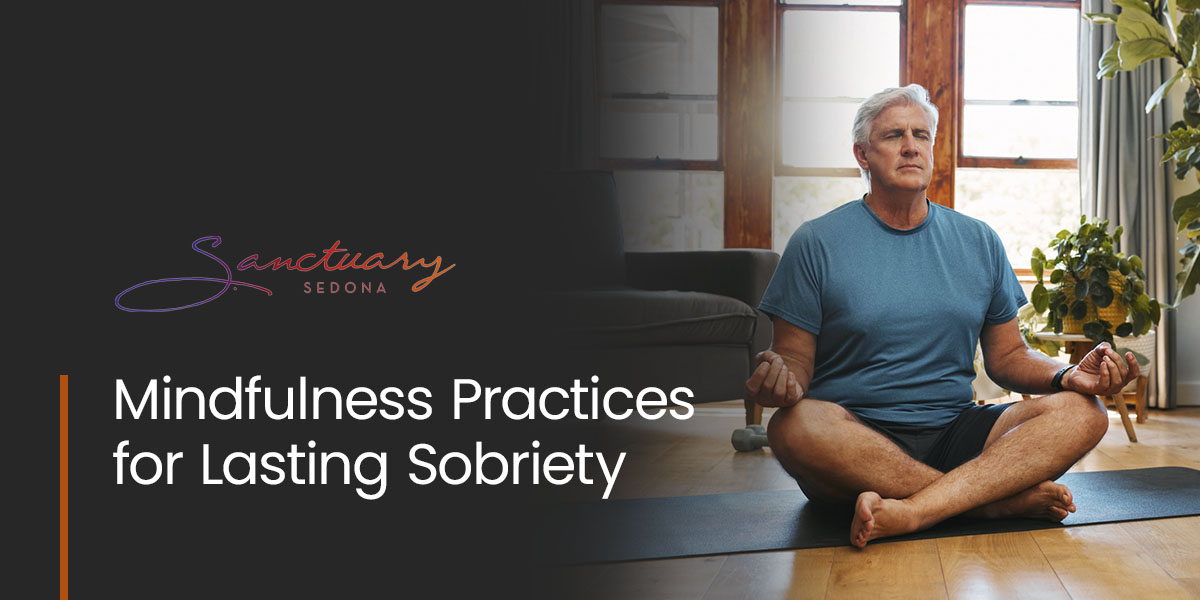
Mindfulness allows you to focus on the present moment while practicing nonjudgment and acceptance. It involves immersing yourself in the now, acknowledging your thoughts, feelings, sensations and surroundings. When combining this state of mind with the relaxation and clarity of meditation, you reduce stress and enhance your overall well-being.
Breathwork often plays a role in mindfulness meditation. Controlled breathing patterns and techniques are used to access the unconscious and enhance the overall stress-reducing, mood-improving and calming qualities of mindfulness meditation. Practices like deep breathing, body scanning and guided meditation improve emotion regulation. They give you an opportunity to slow down and avoid becoming overwhelmed by your trauma.
Exercise and movement are natural mood and energy boosters. Have you ever noticed feeling happier after jogging or going on a scenic walk? That's the basis of movement therapy. Being active benefits both your physical and mental health. It strengthens the connection between body and mind, acting as an outlet for stored trauma, tension and stress. It also fosters inner peace and resilience.
Movement comes in many different forms and levels of intensity. You can enjoy the slow, intentional movements of yoga or break a sweat by doing a full exercise regimen.
There are other movement therapies in addition to yoga and exercise, such as:
Expressing your emotions and thoughts through creativity is a beneficial tool in trauma recovery. Sensory-based and nonverbal, expressive art therapy helps you process and release stored emotions, lower stress, and rebuild a sense of security and self-regulation. This method highlights the creative process rather than the finished artwork, and guides you in communicating your feelings when words fail. It also gives you the opportunity to explore self-discovery and improve emotional health.
Various types of art are used in this form of therapy, including:
You can also choose to express yourself through music therapy by playing a musical instrument, listening to soothing songs, writing music, singing and dancing. Whichever creative mode you use, it can help you identify and analyze the emotions and problems you encounter during the creative process.
Coping with trauma is challenging, but intentional and small changes in your lifestyle can make recovery manageable. Changes such as creating a routine, grounding exercises, strengthening your support system and practicing mindfulness all help with healing and rebuilding a sense of safety after an ordeal.
Lifestyle changes are personal, which means you can choose what you want to include in your long-term recovery. Each person is different and has their own methods of processing and letting go of traumatic experiences. What matters is what makes you feel comforted and safe while working toward being yourself again.
Lifestyle changes can include:
Many people will experience trauma at some point in their lifetime. Painful experiences and effects will vary from one person to the next, shown in a range of symptoms that disrupt their mental, emotional and physical state. Some people recover within a short period of time, while others experience longer-term traumatic effects.
Addressing trauma is essential for your overall well-being and health, and often requires professional help if it's severe or difficult to overcome. If left untreated, it can lead to bigger health concerns over time. While healing might require traditional medications to treat the symptoms of trauma and PTSD, you can integrate alternative holistic therapies into your recovery to achieve deep, long-term healing. Therapy and self-care practices can help you manage ongoing trauma symptoms on your own terms, giving you an active role in improving your quality of life.
The most effective holistic treatments for trauma healing involve therapies that heal you as a whole through body, mind and soul, providing a way to move forward. It's vital to restore peace and clarity so you can get back to living your life with calmness, joy and resilience. Finding an approach and treatment that works best for you may take time and involve trial and error. But with dedication and motivation, you'll find the right path to rebuilding your self-worth, sense of safety and inner peace.