Ketamine is an FDA-approved medication used for anesthesia, pain and depression. It was developed in the 1960s and used during the Vietnam War for surgery. It is also used in veterinary medicine. Ketamine addiction can happen when someone takes the drug recreationally, but it can also occur after a serious illness if instructions about dosage are ignored.
If you find yourself facing ketamine addiction, you are not alone. The Sanctuary at Sedona is here to help. Our holistic ketamine addiction treatment integrates traditional and proven non-traditional methods to treat the whole you, not just the symptoms. In a fully supportive residential treatment, you will learn how to sever the physical, emotional and spiritual ties that ketamine has.
In recent years, ketamine has been used off-label to treat depression and other psychiatric disorders. Some patients may first try ketamine as part of a treatment plan for a medical condition, but then become dependent.
While it can be prescribed for a range of severe conditions, ketamine is also used recreationally. At parties and social events, people may hand out liquids or powders labeled “K,” “Ket” or “Special K.” Some may try it once and find they crave the euphoric feeling again. Unpleasant withdrawal symptoms make it easy to become dependent.
The effects of the drug can last up to 24 hours, making it even easier to get addicted because individuals can get used to the experience and want more of it. Eventually, more of the drug is needed to get the same effect. Individuals gradually increase their use, becoming more dependent and more vulnerable to overdose if they stop use and then return to ketamine.
Ketamine works by encouraging neural growth, blocking NMDA receptors (NMDAR) in the brain and affecting neurotransmitter systems. In other words, ketamine changes your brain, which is how it produces antidepressant effects. However, this same function can lead to physical addiction.
Ketamine is a schedule III controlled substance. It can produce an out-of-body experience similar to that of PCP. People who use the drug recreationally report a blissed-out trance and visual or auditory hallucinations. Ketamine has also been used as a date rape drug.
Ketamine addiction is on the rise. According to a 2025 study in the peer-reviewed journal The Lancet, nonmedical use of the drug jumped from 0.19% to 0.34% between 2011 and 2021. Ketamine poisonings increased from 0.17 to 1.40 per 1,000,000 population from 1994 to 2000.
Ketamine withdrawal has many serious side effects, including:
As with many substances, relapse is a serious risk of ketamine use. An individual trying to heal may end up renewing their use of it. Another concern is that it can be easy to take an unsafe dose. Ketamine is usually taken in powder or liquid form, and it enters the bloodstream fast. In some cases, it is mixed with other substances. These factors mean the person taking the substance has little assurance of purity or quantity, which can lead to overdose.
An overdose can lead to a spike in blood pressure, loss of consciousness, seizures and paralysis. Someone experiencing an overdose needs emergency medical help. They may feel confused or may be hallucinating, and fluid can build up in their airways.
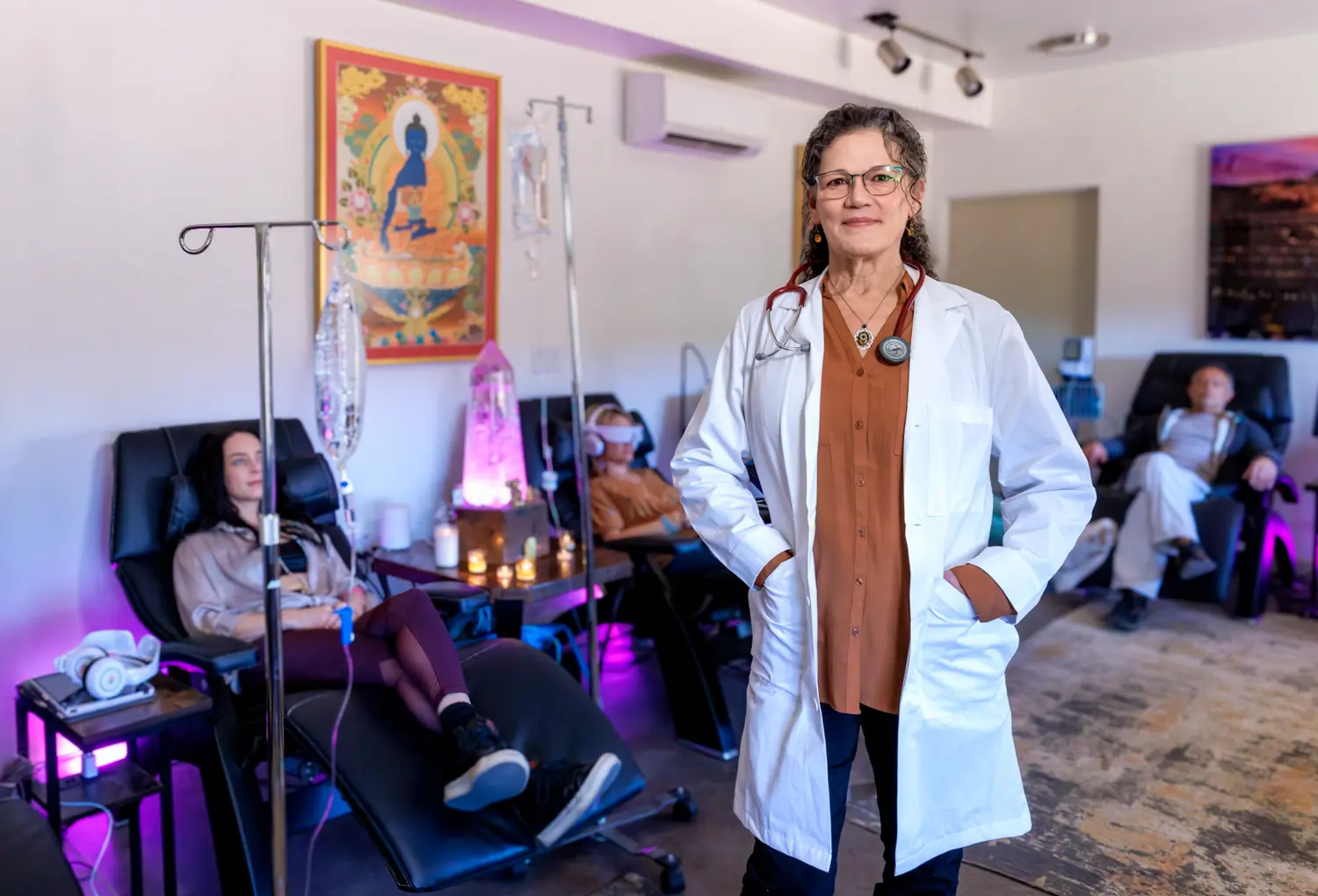
While feeling dependent on any substance can be frightening, practical help for ketamine addiction is available — and you have the power to take the first step right now. The Sanctuary at Sedona offers a unique approach that provides you with science-backed treatment.
Our innovative, holistic inpatient ketamine addiction treatment recognizes that trauma, PTSD and other challenges often underpin addiction. That’s why our integrative non-12-step program offers both traditional and non-traditional methods to treat the whole you.
Overcoming ketamine addiction in Sedona starts with understanding that professional, residential treatment offers the best chance for lasting recovery. While ketamine dependency can feel overwhelming, specialized addiction treatment in a supportive environment can help you break free.