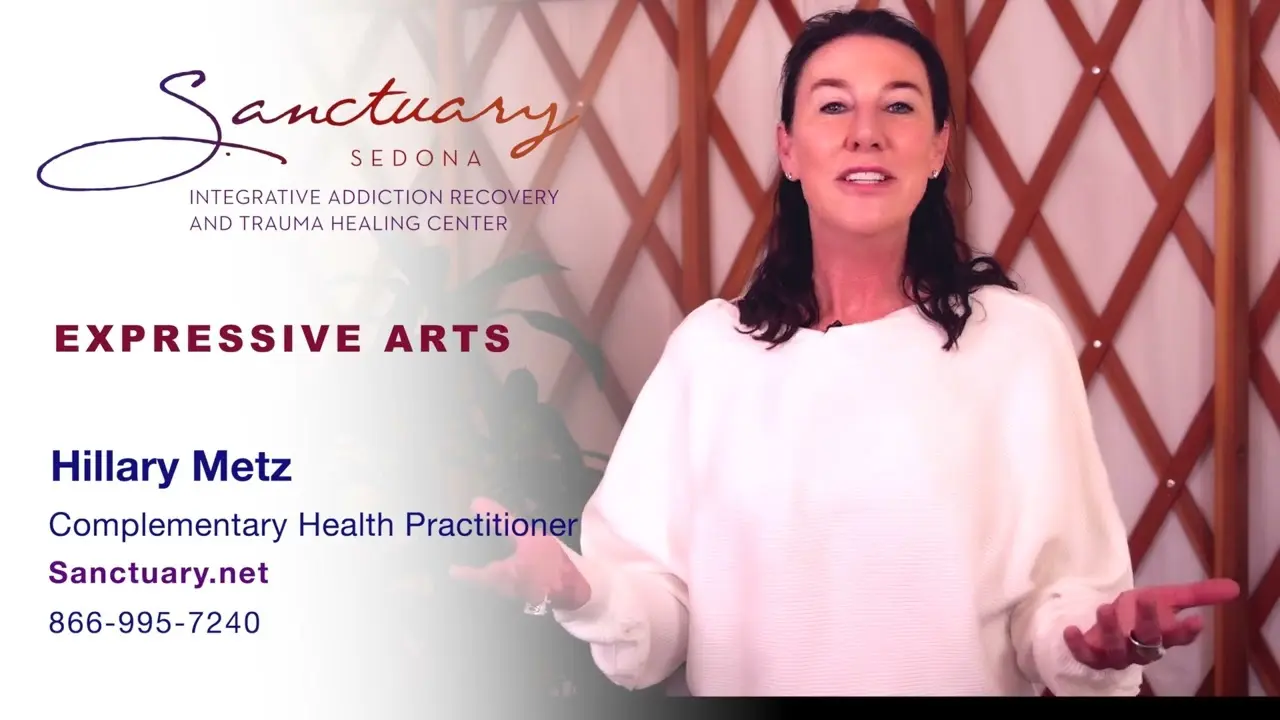
Expressive arts therapy combines psychology and creative processes, often focusing on various art forms instead of specific ones. The purpose of this method is to help individuals access their emotions. Many individuals experience transformation and growth while participating in expressive arts therapy.
The main difference between expressive arts therapy and standard art therapy is that the former is multi-modal. You will have the chance to work with several mediums, allowing you more opportunities to express your emotions creatively.
Expressive arts therapy is beneficial, especially when used with other treatment options. It provides people in the healing and recovery journey with many advantages, including:
Expressive arts therapy can also help you rekindle old passions and habits you may have had before substance use — or help you develop new ones to take with you in recovery. While these are some of the more noticeable benefits, you may experience many others.
Many different art modes are used in this therapy, making it a beneficial tool for exploring your senses and the external world. You will use several of the following modes during expressive arts therapy:
One crucial thing to remember about expressive arts therapy is that you don’t have to be good at or have previous experience with any of these art forms. The creative process is more important than any finished product, as it can help unlock how you feel and lead you down new paths of discovery.

When engaging in expressive arts therapy, your therapist will help you learn how to communicate your feelings about creating something or using a particular art style. The goal is to help you discover and analyze problems you encounter during the process. You will learn to use the creative arts to communicate feelings that you usually cannot access via talking or thinking.
Art is rooted in bridging the gap between reality and expectations and the imagination. Your therapist will be able to see any metaphors or symbols you include and help you interpret and understand them. Expressive arts therapy can help people recovering from addiction on a journey to self-discovery and improved emotional health.
Are you looking to try expressive arts therapy as part of a holistic treatment approach for substance use disorder? At The Sanctuary at Sedona, we will tailor expressive arts therapy to your needs as part of your recovery process. Call our team to speak with a counselor today!