
Read More
8 min read

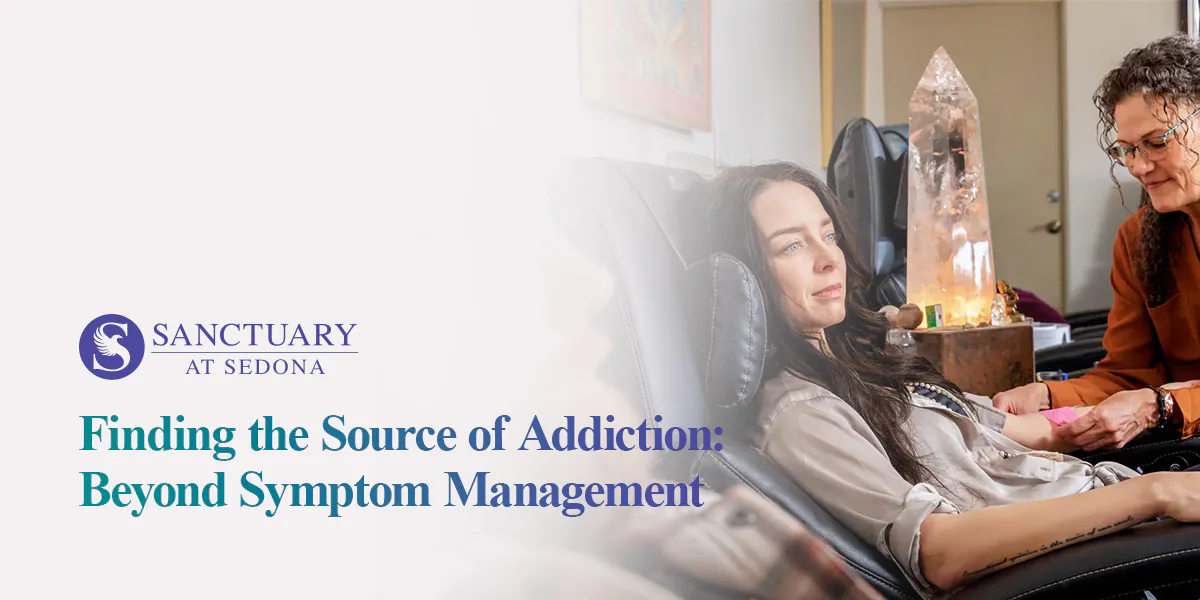
Addiction rarely stems from a single cause. It most often develops through interacting neurological patterns and psychological factors shaped by a person's unique experiences. Managing cravings and reducing substance use can offer stability, but finding the source of addiction requires a closer look at what’s actually driving the behavior.
A comprehensive evaluation of health information and personal history provides the clinical team with information about potential sources of addiction. This is a solid foundation for developing a plan that’s appropriate for the client’s specific needs.
The sources of addiction usually develop through interacting influences unique to each person. Neurological adaptations can affect reward processing, while psychological factors and lived experiences shape how someone responds to distress.
Early or repeated trauma can change how the brain and body respond to stress long after the experience passes. Heightened amygdala activity may trigger a strong reaction to danger reminders, while trauma-related cortisol dysregulation can prolong that response even after a threat ends. This persistent activation can make substance use feel like relief from an internal alarm.
Addiction also involves measurable changes in the basal ganglia, the extended amygdala and the prefrontal cortex, and post-traumatic stress disorder (PTSD) shares risk factors and neurobiological patterns with substance use disorder. Reviewing a person's history helps the clinical team connect their substance use with present-day stress responses, informing the care of trauma-related conditions that may be contributing to addiction.
Approximately 21.2 million U.S. adults have both a mental illness and a substance use disorder. Depression, anxiety or PTSD can create distress that someone might attempt to regulate through substance use, and that relief can reinforce the pattern over time. That cycle can also influence mood and emotional regulation, creating an ongoing bidirectional relationship between the two conditions.
Integrated care can support both conditions in a single personalized plan, combining clinical therapy with functional medicine strategies or nutritional guidance based on the person's evaluation results.
Genetic factors can influence a person's susceptibility to addiction, although there's still meaningful room for growth and recovery. Through neuroplasticity, the brain can form new pathways in response to experience and targeted treatment.
Environmental experiences can also affect gene expression through epigenetic processes tied to addiction vulnerability, which is one reason that treatment responses vary. This pattern is also connected to the neurobiological basis of attachment. Depending on the evaluation, mapping techniques or Brain Upgrade protocols may become part of a plan that supports this neurological capacity to change.
Addiction symptom management can provide valuable stability by helping someone manage cravings and reduce substance use. Recovery planning builds on that process by identifying the conditions that make substance use feel relieving or reinforcing in the first place. Even after those patterns ease, trauma-related stress responses can continue influencing how someone feels, and integrating mental healthcare allows treatment to respond to depression, anxiety or PTSD alongside recovery.
Changes involving reward, stress or impulse control can also affect cravings and decision-making throughout the process. Research on the self-medication hypothesis and trauma connects some substance use with attempts to relieve symptoms tied to earlier events, which is why an integrative recovery approach can combine symptom stabilization with care for the psychological and physiological factors involved.

The root cause of addiction is often an individual combination of contributors. For one person, traumatic stress may be the strongest influence, while someone else may find a closer connection between substance use and a co-occurring mental health condition. Even people with similar diagnoses can feel each contributing factor with different intensity.
A person's history of treatment can indicate which approaches worked and which forms of care may align most closely with their needs. This individual variability in treatment response can influence how someone responds to therapy, nutritional support or trauma-focused care, so a personalized evaluation helps the team build a clear picture grounded in the person's experiences and present needs.
Finding the cause of addiction begins with a comprehensive assessment that may include:
Depending on what the evaluation reveals, a plan can address substance use and co-occurring mental health conditions together. To treat the source of addiction, the plan can offer therapies and modalities focused on the specific contributors identified for that person, including:
Progress reviews help the clinical team understand how each client is responding to their individualized treatment plan. Throughout the residential program, regular check-ins provide insight into a client's changing needs and treatment responses, and new discoveries may reveal that a different underlying contributor warrants greater attention. The client's goals and experiences guide thoughtful adjustments to their care as practitioners coordinate treatment on an ongoing basis, keeping care responsive and aligned with the client's current recovery needs.
The Sanctuary at Sedona's addiction treatment program supports people who want to understand and address the drivers influencing their substance use. Guided by the philosophy of “Heal the Body, Repair the Brain, Recover the Soul,” this holistic program integrates physical support and emotional healing into a single personalized process to address addiction of all kinds, not just substance use.
Our team conducts a comprehensive evaluation to create a customized plan that may include clinical therapy or Brain Upgrade protocols, as well as functional medicine strategies or custom nutraceutical support tailored to the client's specific needs. Contact us today at 877-710-3385 to speak to a counselor or request a call and we'll get in touch with you.