


Read More
3 min read

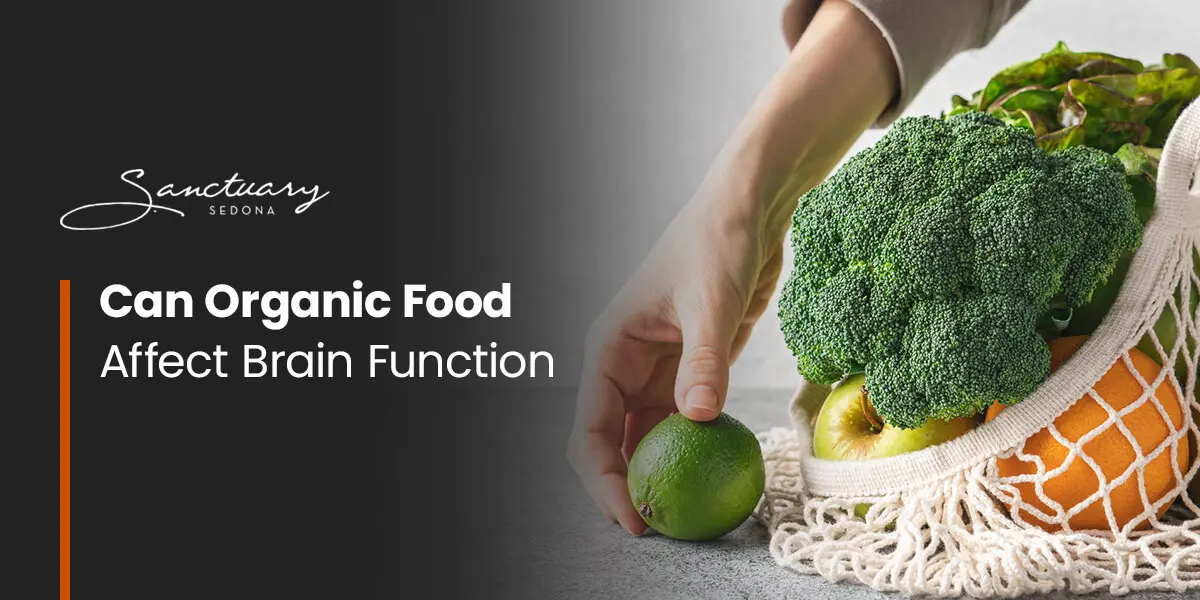
The organic industry is booming right now because more people are learning more about the health benefits of choosing organic ingredients instead of conventional food. A quick search online will uncover a number of resources that show how organic food is better than crops raised with pesticides and other harmful chemicals. Most people logically know that they should probably avoid these harmful chemicals, but they don’t have a good understanding of why not consuming organically grown food can be so dangerous for their health.
At the Sanctuary at Sedona, we have enlisted the help of a number of professionals to understand how diet and nutrition impact brain function. Through the research, it has been uncovered that there are several ways that organic foods can play a part.
Pesticides and other toxic chemicals are commonly used in conventional farming, and doctors have found that these chemicals can play a negative role in brain function and development. For example, even though a conventionally grown apple might appear to be perfectly healthy, there were many chemicals and dangerous chemicals that were used to grow it. You can’t see these chemicals when you look at the apple, but you are ingesting all of them with each bite that you take.
Organic food is raised without the harmful toxins that are so common with conventionally raised ingredients. By switching to organic foods instead of conventional food, you can reduce the exposure to these chemicals, which in turn reduces the toxic exposure. Choosing organic ingredients is one of the simplest and most effective things that you can do to avoid this toxic exposure.
Your brain and all other major bodily functions are directly impacted by the nutrients you consume each day. Many people are stuck in negative habits and they eat junk food that is missing essential nutrients. These poor dietary habits play a direct role in brain health, and the best way to boost your mind is to improve your nutrition.
Certain researchers have suggested that organic foods have higher vitamin and mineral content, which means you get higher levels of nutrition by choosing organic foods instead of conventional alternatives.

Nutrition and addiction recovery go hand in hand. Maintaining your dietary requirements will make your recovery much easier, as your body will have the strength and energy it needs to keep going while you get better. Two common nutrition practices aid recovery from addictions: holistic nutrition therapy and integrative nutrition therapy.
Holistic nutrition therapy involves creating a dietary plan that best suits you and your personal requirements. This incorporates dietary preferences but mainly focuses on giving your body exactly what you need during your recovery. It is specific to you as a person and is an effective way of improving your health.
Integrated nutrition therapy is a bit more complex. It looks at more than just nutrition and what you put on your plate. This type of nutrition is concerned with the many different factors in your life that affect your health beyond just your nutrition. This includes elements like your career, social life, relationships, physical health, education and more. These are all considered when determining the best plans for your health and diet.
During your recovery, you will experience a lot of side effects and changes while you overcome your addictions. Each substance has its own toll and health effects on a person. Many of these substance's health effects share similar ways of affecting your ability to get all the nutrients you need. Your recovery is linked to getting the right nutrition to fight these effects and aid your recovery.
Those recovering from substance use are likely to experience any of the following:
Eating the right diet and following specialized nutritional plans helps the body recover from the damage caused to the body by an addiction. These are the following health benefits that come with eating properly during addiction recovery:
Organic superfoods are some of the best things you can eat during recovery. Fill your plate with leafy greens, whole grains, legumes, nuts and fish.
Here at The Sanctuary at Sedona, we know that overall health and wellness play a direct role in brain health. Dietary choices are the foundation of good health, and if you want to improve your brain function to overcome addiction or other health problems, then you need to focus on improving your diet. In many ways, food is medicine — one component of a holistic plan to help you overcome substance use. At Sanctuary at Sedona, you'll have access to nutritional therapy, as well as our on-site chef and biodynamic garden.
Our non-12-step holistic addiction recovery program is focused on a healthy diet, as well as other natural methods that can be used to restore balance and overcome addictive habits. We invite you to contact us to learn more about the program and the types of holistic addiction recovery treatments that are used.
Nutrition and addiction recovery go hand in hand. Maintaining your dietary requirements will make your recovery much easier, as your body will have the strength and energy it needs to keep going while you get better. Two common nutrition practices aid recovery from addictions: holistic nutrition therapy and integrative nutrition therapy.
Holistic nutrition therapy involves creating a dietary plan that best suits you and your personal requirements. This incorporates dietary preferences but mainly focuses on giving your body exactly what you need during your recovery. It is specific to you as a person and is an effective way of improving your health.
Integrated nutrition therapy is a bit more complex. It looks at more than just nutrition and what you put on your plate. This type of nutrition is concerned with the many different factors in your life that affect your health beyond just your nutrition. This includes elements like your career, social life, relationships, physical health, education and more. These are all considered when determining the best plans for your health and diet.
During your recovery, you will experience a lot of side effects and changes while you overcome your addictions. Each substance has its own toll and health effects on a person. Many of these substance's health effects share similar ways of affecting your ability to get all the nutrients you need. Your recovery is linked to getting the right nutrition to fight these effects and aid your recovery.
Those recovering from substance use are likely to experience any of the following:
Eating the right diet and following specialized nutritional plans helps the body recover from the damage caused to the body by an addiction. These are the following health benefits that come with eating properly during addiction recovery:
Organic superfoods are some of the best things you can eat during recovery. Fill your plate with leafy greens, whole grains, legumes, nuts and fish.
Here at The Sanctuary at Sedona, we know that overall health and wellness play a direct role in brain health. Dietary choices are the foundation of good health, and if you want to improve your brain function to overcome addiction or other health problems, then you need to focus on improving your diet. In many ways, food is medicine — one component of a holistic plan to help you overcome substance use. At Sanctuary at Sedona, you'll have access to nutritional therapy, as well as our on-site chef and biodynamic garden.
Our non-12-step holistic addiction recovery program is focused on a healthy diet, as well as other natural methods that can be used to restore balance and overcome addictive habits. We invite you to contact us to learn more about the program and the types of holistic addiction recovery treatments that are used.