


Read More
3 min read

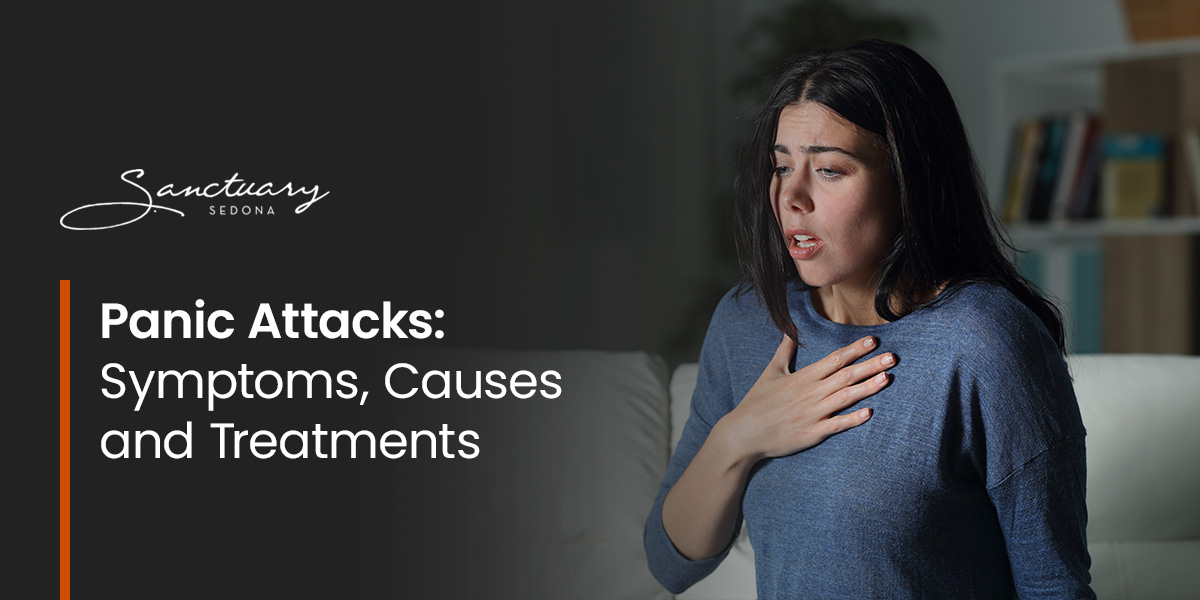
Panic attacks are sudden instances of intense fear that manifest in physical symptoms. More often than not, these attacks seem to occur at random, with few or no signs of a relevant trigger. The brief episodes can be frightening, and many compare the physical symptoms to those of a heart attack. While panic attacks do not typically cause physical harm and are not a condition on their own, some people who experience frequent panic attacks may develop panic disorder. Panic attacks can also occur alongside several other conditions, such as phobias, mood disorders and anxiety disorders.
So, what is a panic attack, and when should you seek treatment? Here, we'll explore the symptoms, causes and complications of panic attacks so you can manage your health and know when to reach out for help.
Panic attacks are brief moments of intense fear and physical reactions. These attacks present as a fear response in situations perceived as threatening but where there is no imminent danger. During these episodes, the body's natural fear response is exaggerated for seemingly no reason. The physical symptoms escalate quickly and dissipate after about 10 minutes.
Some people experience a single panic attack and never endure an episode again, while others experience several episodes over time. When panic attacks become an ongoing experience, there may be underlying triggers and causes.
Many people who experience the onset of a panic attack rush to the emergency room because the physical symptoms feel severe enough to warrant medical attention. Some people believe they are experiencing a heart attack, a condition that requires urgent medical care. However, even though medical practitioners can offer certain medications to induce relaxation and calm, panic attacks don't usually require medical attention.
The common physical symptoms of a panic attack include:
These physical sensations are generally paired with intense fear or negative emotions. The physical symptoms usually subside first, while the emotions wear off more gradually. Feelings of embarrassment or confusion sometimes follow the overwhelming emotions.
The symptoms of a panic attack emerge suddenly and unexpectedly, while the symptoms of an anxiety attack escalate gradually. Anxiety attacks usually emerge in response to excessive, prolonged worry. In this case, anxious thoughts persist and compound and eventually take over. The symptoms become overwhelming over a period of minutes or even hours. However, the symptoms of an anxiety attack are usually less intense than those associated with panic attacks.
Because the symptoms of panic attacks and anxiety attacks are similar, it can be tricky to figure out which type of episode you have experienced. The key considerations to keep in mind are the cause, intensity level and onset speed. When ongoing worry and stress build up to an episode, you may have experienced an anxiety attack. But when the episode occurs suddenly with little warning, you have likely experienced a panic attack.
Though panic attacks present as seemingly random episodes, there may be triggers involved. These triggers can differ from one person to the next, but some of the more common panic attack triggers can include:

In addition to these causes and triggers, ongoing panic attacks may be a symptom of a panic disorder.
When panic attacks occur frequently and cannot be linked to underlying health conditions, medication use or substance misuse, your doctor may diagnose panic disorder. This disorder is also diagnosed when persistent panic attacks are coupled with persistent worry and fear of panic attacks, as well as when individuals change their behaviors to avoid situations and places where they may feel prone to panic attacks.
Whether you are experiencing panic attacks due to medications, fear of conflict, panic disorder or other triggers, there are ways to manage these episodes.
Cognitive behavioral therapy (CBT) is a type of therapy that aims to reprogram thought patterns and ultimately change behaviors. CBT is a type of talk therapy guided by a licensed psychologist or counselor. During these sessions, your counselor or psychologist will help you find the root cause of your panic attacks. You will also develop valuable mindfulness techniques for panic attacks to identify these episodes and manage the symptoms.
Medications can also help treat panic attacks. Antidepressants and anti-anxiety medications like benzodiazepines are the primary medical treatments available to treat panic attacks and panic disorders.
The Sanctuary at Sedona offers several holistic therapies that can help you overcome anxiety and uncover the root cause of your panic attacks. From cognitive behavioral therapy and energy medicine therapy to depth psychology and hypnotherapy for panic attacks, our range of therapies is designed to aid recovery from trauma and various mental health conditions.
Contact us online to learn more about our holistic treatment programs and start your journey toward recovering from trauma and panic attacks.