
Read More
5 min read

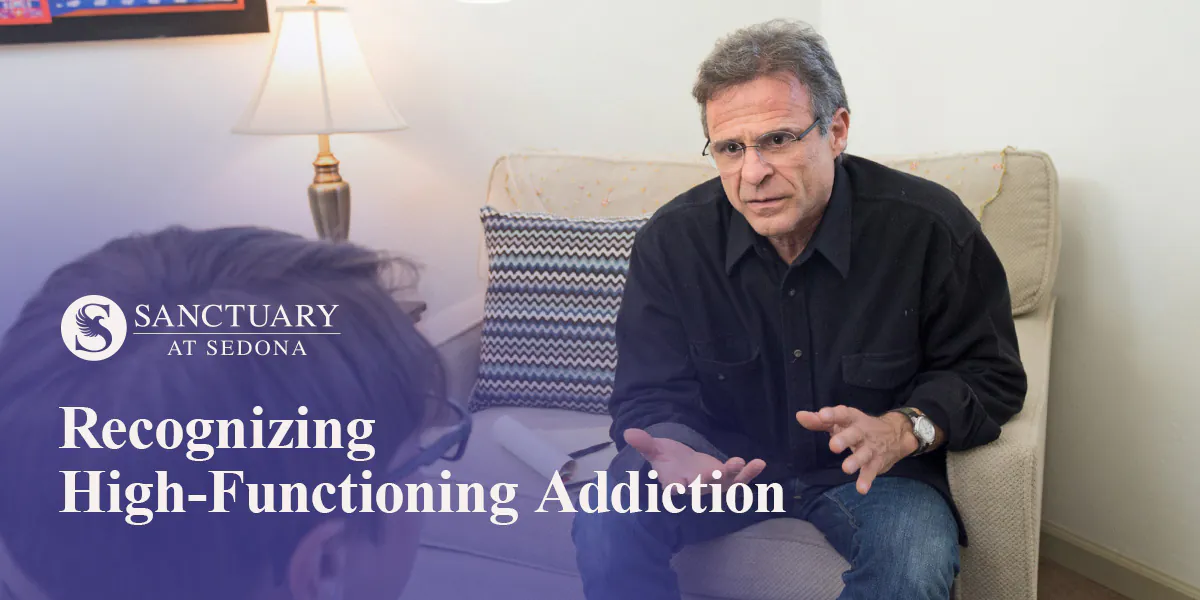
Addiction is a medical condition — a brain disorder that requires treatment. High-functioning addiction is real, it's common and recognizing it is the first step toward healing. This guide walks you through the hidden signs that separate everyday stress relief from a substance use disorder — so you can move past confusion toward clarity.
High-functioning addiction isn't an official medical diagnosis, but it's a term used to describe someone who maintains their job, relationships and daily responsibilities while struggling with a substance use disorder. On paper, everything looks fine. But internally, there's a growing dependence that's becoming harder to control.
The stereotype of a person with high-functioning addiction doesn't match reality for many people. You might picture someone who's lost everything, but addiction affects the brain in ways that have nothing to do with success or willpower. Someone can be thriving professionally and still have a serious problem with alcohol or drugs.
When someone excels at work, maintains relationships and meets their obligations, your concerns about substance use may seem exaggerated or unfounded — but those accomplishments mask the serious harm substance use creates underneath.
Recognizing the signs requires looking beyond job performance and social appearances. These subtle behaviors often go unnoticed for years because they don't fit the typical addiction narrative.
Look out for signs of how substances fit into a loved one's daily routine. Does every stressful day deserve a drink, and does one drink turn into several? This pattern matters.
One of the more concrete things to watch for is whether they downplay how much they use. Note discrepancies between what they claim to have had and what the evidence suggests — empty bottles that don't add up, or finishing a bottle before a family dinner so the amount consumed in public looks “normal.” Hidden bottles in a home office, among clothes in a drawer, stashed in a car or in non-alcoholic beverage containers are a telling sign.
Notice how they react when substances aren't available. For many people with addiction, this goes beyond mild disappointment. They might become tense when a restaurant doesn't serve alcohol, grow snappy or withdrawn on a dry vacation or cancel plans at the last minute when they realize drinking won't be possible. In more serious cases, the reaction escalates from irritability to visible anger, mood swings or emotional volatility that seems disproportionate to the situation.
Deflecting concern with humor — joking that they "probably have a problem" — can also be a way of acknowledging they have a problem without having to own it.
Psychological signs tend to show up in how someone communicates and engages. Your loved one may seem preoccupied with when and where the next drink will happen. They may have no memory of something you clearly discussed the night before — a plan you made, something they said, or an argument that took place. They may seem confused when you bring it up, dismiss it with "I was just tired," or deny it happened at all. Frequent, unexplained gaps like these are worth taking seriously.
Worsening anxiety or depression over time, especially when paired with more frequent drinking or drug use, often signals that someone is using substances to cope with emotions they're not dealing with. The denial that goes alongside this — "I can stop whenever I want," followed by never actually stopping — masks a deeper problem.
Relationships often reveal what someone works hard to hide. Watch for a gradual narrowing of their social world — choosing to drink or use alone, steering away from events or people that don't involve substances or letting household responsibilities and family commitments slide even while work performance stays strong.
You may also notice that you or others have started quietly covering for them by making excuses or smoothing over incidents.
If you're seeing these patterns in someone you care about, know that addiction affects family and friends in profound ways. Your concerns are valid, even when the person seems successful.
"High-functioning" is usually temporary. The brain and body can only compensate for so long before consequences catch up.
Substance use disrupts the brain's natural balance. Research shows that dopamine pathways drive addictive behavior, creating a cycle where the brain craves the substance more intensely over time. What once felt manageable becomes increasingly difficult to control.

The long-term risks include:
The brain has a remarkable healing capacity when given the right support. Addressing substance use requires repairing the underlying neurological patterns that drive the compulsion.
Whether you're concerned about someone you love or recognizing these signs in yourself, taking action starts with understanding that reaching out demonstrates courage. It's a powerful, proactive choice toward health.
Approaching someone about substance use takes care and preparation. Choose a calm, private moment when they are not using or emotions are high. Use "I" statements, like “I've noticed you've been drinking more.” This keeps the focus on what you've observed rather than making it feel like an accusation. Point to specific behaviors rather than labels. Avoid making excuses or covering for consequences — even with good intentions, that can make it easier for the problem to continue.
Offering to look into local treatment facilities together is a gentle way to open the door. If they push back, stay grounded. Denial is a normal part of addiction. You can always say, “I'm not going anywhere. I just want you to know this door is open.”
Remember, you can't force someone to get help. But you can make it clear that support is available when they're ready.
One of the hardest parts of loving someone with high-functioning addiction is knowing when concern becomes urgent. Many people hesitate to contact a treatment center because they're afraid of overreacting — or because the person is still holding their life together on the surface. But if you've been watching this pattern unfold over weeks or months and asking yourself these questions, that concern means something.
The 4 Cs of addiction — compulsion, cravings, control and consequences — offer a practical framework for assessing what you're seeing and deciding when it's time to reach out:
Contacting a treatment center is a conversation that gives you information, perspective and support, so that when the moment comes, you're ready.
Addiction is a treatable medical condition, and healing goes beyond managing symptoms. It requires addressing the root cause. The Sanctuary at Sedona offers a holistic, science-based, non-12-step approach designed specifically for individuals ready to break free from high-functioning addiction.
The program combines cutting-edge neuroscience with personalized care to heal the body, repair the brain and recover the soul. Whether you're recognizing these signs in yourself or someone you love, taking action is a sign of strength.
Call (877) 710-3385 today to speak with a counselor or request a call from us. We can help you take the next step toward lasting healing.