
Read More
5 min read

Can you quit drugs without rehab? The simple answer is yes — you can. But, depending on the type of addiction you have, you could be putting yourself in danger. It could also be more challenging to maintain your recovery without addressing underlying issues and receiving social support.
Quitting drugs on your own can lead to life-threatening withdrawal symptoms, particularly if you're withdrawing from opioids or alcohol. If you quit on your own, you also might not receive the emotional and mental support to embrace a new way of life.
Addiction is complex and affects every aspect of your being. Rehab is about treating your whole body and mind, including healing emotional and psychological wounds resulting from trauma. It provides the professional support, wisdom and knowledge to give you the tools and strength for a long-lasting recovery, regardless of your past or how long you've been addicted.
Addiction, to an extent, is a natural part of life. It’s part of human nature to want to lose the inhibitions that we find restrictive or numb ourselves to painful experiences. To a large extent, this behavior is often normalized or goes unnoticed, especially in a culture in which substances are such a prevalent part of socializing. But like everything we think, believe or do, substance use profoundly impacts our well-being. And this affects our ability to be happy and fully express ourselves.
Addiction has a way of getting us into its grasp before we even realize what’s happening. If you’re concerned about your level of drinking or drug use, consider the following signs of addiction:
Addiction can be overwhelming, and feeling unsure of what to do in your situation is completely normal. If you’d like to personally speak with someone who can offer advice, our admissions team is always here to help.
Despite the consequences of addiction, it's not always easy to recognize there's a problem or ask for help. There are many reasons you might resist seeking treatment, including:

Since addiction impacts your whole being, treatment should take a holistic approach and address your unique mental, physical, social, emotional and spiritual needs. The Substance Abuse and Mental Health Services Administration agrees — a whole-person approach is the most effective way to treat a substance use disorder.
Overall, recovery is easier when you have the right support and a team of compassionate, knowledgeable professionals on your side. Here are reasons to go to rehab:
No matter how long you've struggled with addiction, it's never too late to recover. We’ll outline some options available for addiction treatment to help you decide on the best course of action.
Not all addictions require detox. Withdrawing from some substances, like methamphetamine, may be highly uncomfortable but doesn’t necessarily pose dangers to your health. In other cases, substance use hasn’t reached a level that causes physical dependence. But some substances, like alcohol and opioids, can be dangerous to withdraw from on your own — in this case, supervised detox is necessary. At The Sanctuary, clients who require detox do so at a partnered hospital and are then transferred to our calming center in Sedona when ready to start treatment.
It’s important to note that detox is only the first step in the recovery journey and should be followed up with comprehensive addiction treatment to make life changes that last.
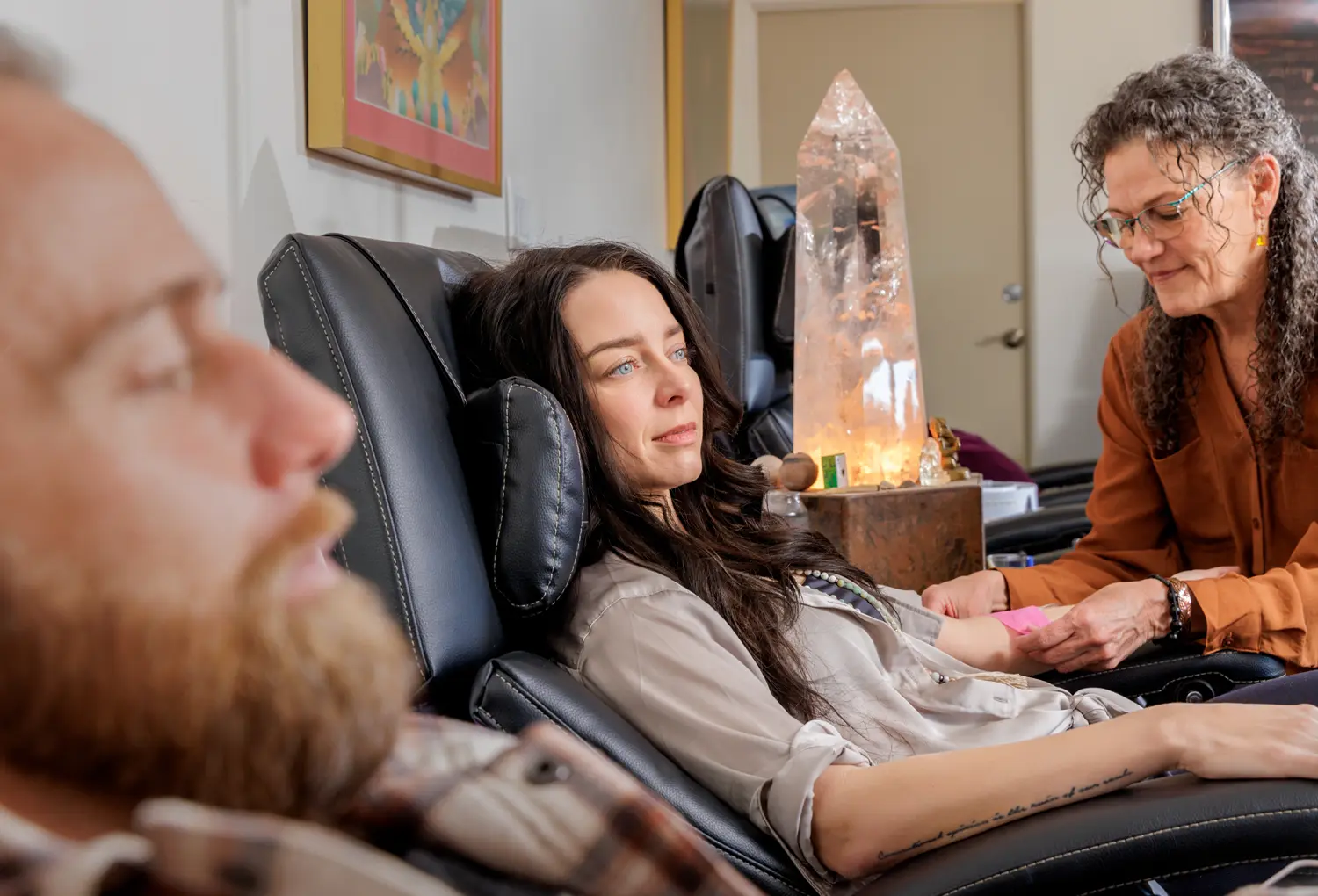
Inpatient rehab is the most intensive treatment option, with the best proven outcomes. In residential rehab, you live on-site at a facility while receiving treatment. This provides a break from your triggering environment and allows you to establish a healthy routine that will help you prevent relapse and support your well-being after treatment. At The Sanctuary, you’re completely immersed in Sedona’s naturally healing environment and can access therapies like energy medicine and movement work to promote your recovery.
“Continuing care” is an umbrella term that refers to everything after treatment. This varies from rehab to rehab and usually entails some form of continued addiction counseling and group meetings, usually in the form of Alcoholics Anonymous (AA) or Narcotics Anonymous (NA).
At The Sanctuary, our Transition Wellness Program starts the moment you begin treatment when you and your therapist design a plan to prevent relapse after the inpatient portion of your program is done. This includes weekly individual coaching calls with a known counselor from The Sanctuary, virtual group sessions that build on your progress and assistance in getting a strong support network in place. This is included as a 60-day segment of our overall 90-day rehab program.
Ongoing practices that support your recovery might include continuing progress on a healing path you discovered in treatment, attending local support group meetings and scheduling face-to-face sessions with a local therapist.
You may want to regularly meet with a therapist to maintain your overall picture of wellness. The Sanctuary has a vetted network of mental health counselors, recovery coaches and holistic healers to connect you with. Some therapies you may wish to continue pursuing include:

The Sanctuary’s non-12-Step, holistic treatment program is a complete healing experience designed to access deeply rooted issues and take you into the next phase of your life — one in which addiction is no longer in control. We leverage groundbreaking addiction science and effective healing therapies to help you change your relationship with yourself, others and the world around you and sustain your transformation.
One former client of ours describes The Sanctuary’s addiction treatment program this way:
“Profound, caring, real, magical, effective. Something that our world needs more of. Something that everyone could benefit from.”
If you need rehab, but you’re not sure exactly what to look for or what the best option is for your situation, we can help. Our admissions advisors are more than happy to provide more information, explain your options and help you make a decision that works for you.
We’re also available to help you figure out the logistics — whether it’s finding an accessible plane ticket or connecting you with a sober coach who can accompany you on your journey.
Contact us today for more information on how you can embark on the healing journey of a lifetime.