


Read More
4 min read

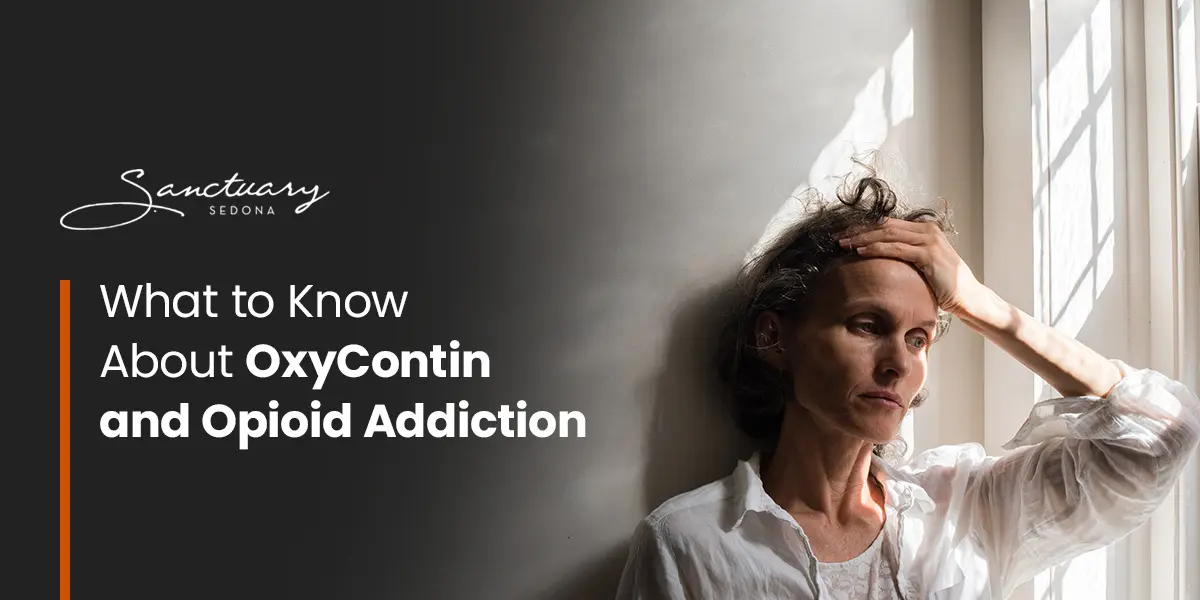
OxyContin, a prescription opioid, continues to be a leading pain relief medication for many individuals. However, its potent effects can quickly spiral into dependency. Addiction affects the body and takes a toll on a person's mind and emotions.
OxyContin is a prescription medicine used to manage moderate to severe pain. The drug falls under the category of opioids, which are known for their powerful pain-relieving effects. OxyContin releases its active ingredient, oxycodone, slowly over time, which can provide consistent pain relief. However, when it's not used as directed or when it's taken for reasons other than prescribed, the risk of developing an addiction increases dramatically.
OxyContin addiction stems from various circumstances, experiences and vulnerabilities.
If a person has experienced physical or emotional trauma, they might turn to OxyContin to numb the pain. This could be the pain of a past event, like childhood abuse, a severe accident or the loss of a loved one.
The emotional scars from such experiences can be deep. For a person seeking relief, opioids might seem like a solution. Over time, what starts as a way to cope can evolve into a dependency, where the drug becomes a necessary part of daily life just to feel normal.
Individuals with a family history of substance abuse might be more susceptible to developing an addiction. Genetics can influence how a person's body and brain respond to substances like OxyContin, making it easier for them to become dependent on the drug. This doesn't mean they're destined to become addicted, but they should be cautious when it comes to substances with high addiction potential.
Conditions like anxiety, depression or PTSD might lead a person to turn to OxyContin as a way to self-medicate. The drug can temporarily alleviate the symptoms of these conditions and provide a sense of relief. However, this is only a short-term solution that often leads to long-term problems.
The more an individual relies on OxyContin to manage their mental health, the more likely they are to develop an addiction. Over time, they may need higher and higher doses to achieve the same relief, which only deepens the cycle of addiction.
If a person is in an environment where drug use is common or they're surrounded by people who abuse substances, they may be more likely to use OxyContin. Stressful life circumstances, like financial difficulties, relationship problems or job-related stress, can also contribute to the onset of addiction. The medication might be used as a means to escape from these pressures by offering temporary relief.
Addiction can manifest in various ways, affecting a person's behavior, physical health and mental well-being. Recognizing the signs and symptoms of opioid dependence in yourself or a loved one can help you seek help early on.
Addiction often leads to noticeable changes in behavior, such as:
The physical signs of OxyContin dependency can vary, but common symptoms include:
Addiction can significantly affect a person's mental health and lead to:
Opioids affect how the brain functions, which can lead to both physical and psychological dependence. One might experience the following effects:

At The Sanctuary at Sedona, we believe in treating the whole person. Our holistic, non-12-step recovery program integrates physical, emotional and spiritual healing techniques to help you achieve lasting recovery.
Detoxification is often the first vital step in overcoming addiction, and we believe it should be done in a way that nurtures and supports your body. We offer a safe and supportive detox program designed to minimize withdrawal symptoms and cleanse your system from the harmful effects of OxyContin. One of the key components of our detox process is the use of organic, anti-inflammatory foods to support your body's natural healing process.
Beyond physical detox, our opioid addiction treatment heals the mind and body by addressing the underlying psychological and emotional factors that contribute to addiction. These therapies include:
Incorporating spiritual practices allows you to connect with your inner self and find meaning in your recovery journey. Some of the spiritual healing modalities we provide include:
Recovery is an ongoing process that requires continued support. That's why we offer an aftercare treatment to help you work through any challenges that arise as you transition back into daily life, maintain sobriety and continue your healing journey. This service includes:
OxyContin and opioid addiction recovery is possible with the right support. At The Sanctuary, we're committed to helping you heal holistically by addressing your life's spiritual, emotional and physical aspects. If you or a loved one is struggling with OxyContin addiction, contact us today to find out how we can help you start your healing journey.