
Read More
5 min read

The opioid crisis has been making headlines since it first began in the late 1990s. Only in the mid-2010s did we start to hear more about a particular opioid causing a lot of fatal overdoses: fentanyl.
Many people don’t intentionally start using fentanyl. Instead, they take fentanyl accidentally when another drug has been laced or replaced with it without their knowledge.
When you’re experiencing fentanyl addiction, it can feel like you don’t have control over your life. But while it may not feel like it now, the truth is that you do have the power to create the life you want.
Read on to find out how holistic fentanyl addiction treatment can help you get there.
Fentanyl is a synthetic opioid that’s 50 to 100 times stronger than other opioids like morphine and heroin. It was originally used to sedate intubated patients during surgery, and for people in end-stage renal failure who were in severe pain. Today, fentanyl is also used in medical settings for people with chronic pain who have developed a tolerance for other opioids, because it’s so much stronger.
In the brain, fentanyl works like other opioids, binding to receptors that control pain and emotions. It bonds to these receptors more strongly than the natural opioids your brain produces. That’s why it works so well as a pain reliever, and why it produces such an extreme high. However, as the brain adapts to this intense pleasure, it needs more and more to reproduce the same feeling. This is how people build a tolerance to fentanyl, which can lead to addiction.
Fentanyl is so addictive because it’s so much stronger than other opioids, which are already very strong drugs. You can develop dependence even if you take it as prescribed by your doctor, for a very short time. If you were prescribed fentanyl for chronic pain after building a tolerance to other opioids like oxycodone, you’re at even higher risk for addiction.
People who use illicit opioids like heroin often turn to fentanyl for the same reason: it’s stronger than what they currently take. Fentanyl is also much cheaper than heroin or other prescription drugs, making it more easily accessible.
But while many people intentionally seek out fentanyl’s intense high, some people become addicted without meaning to use it at all.
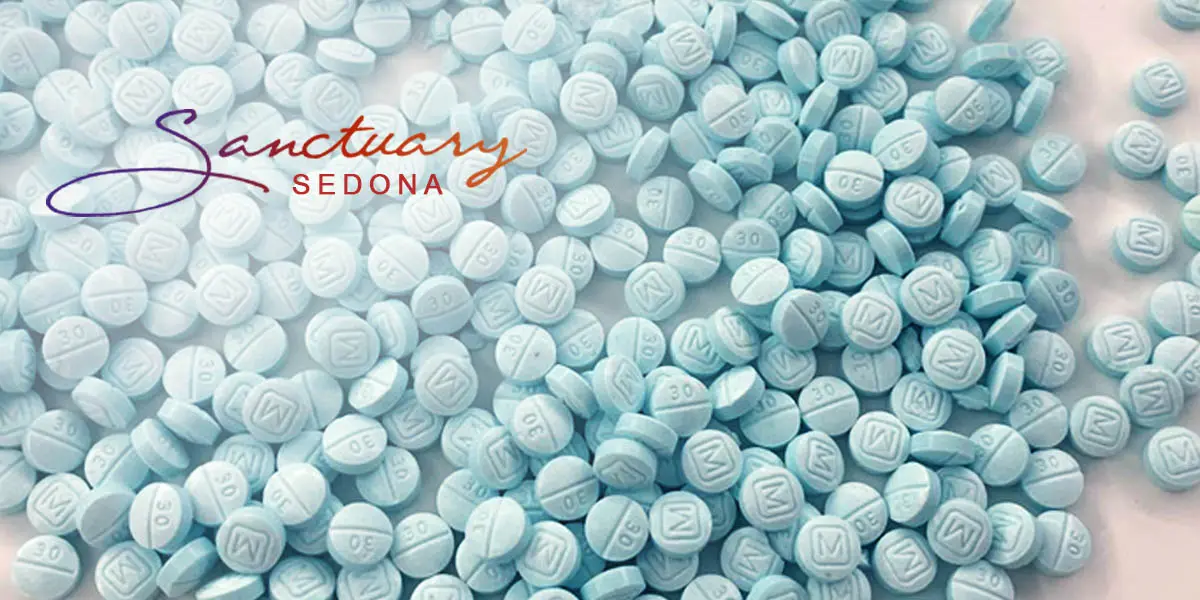
Illegal manufacturers make fentanyl look identical to other commonly abused pills like Xanax. You could buy fentanyl without ever knowing that’s what you were taking. Other distributors lace illicit drugs like heroin, cocaine, methamphetamine, and MDMA with fentanyl as a cheap way to increase the strength of the drug they’re selling. Lacing drugs with fentanyl is on the rise, which means more people are unintentionally using it in combination with other drugs.
There’s no way to taste, smell, or see if a drug has been laced or replaced with fentanyl. However, many community-based organizations give out fentanyl test strips for free. You can use these test strips to detect fentanyl in any type of drug, which can help you avoid a fatal overdose.
Not only can unintentional use of this extremely strong drug lead to addiction, but in many cases, it can lead to death.
Yes. A large majority of unintentional overdose deaths involve fentanyl as the leading cause. 56,516 deaths were reported from fentanyl overdose in 2020 alone.
One reason that so many overdose deaths occur with fentanyl is because of how many people take it without knowing it. Let’s say your normal drug of choice is benzos. If you buy benzos illegally, they could be laced or replaced with fentanyl. But taking a drug as potent as fentanyl at the dose you normally take benzos could have very dangerous consequences.
Fentanyl-laced drugs often cause fatal overdoses because the interacting drugs create even stronger reactions in the body. Using fentanyl at the same time as depressants like alcohol, benzos, or sleeping pills is especially dangerous, for example, because of how much both drugs slow down the central nervous system.
But how does fentanyl cause death? It does so by slowing down your respiratory system. Opioids can slow your breathing to a dangerous level, or stop it altogether. Depressed breathing deprives your brain of oxygen. This can lead to a coma, permanent brain damage, or death after just four to six minutes.
Signs of fentanyl overdose include:
If you notice an overdose, you can use emergency drugs like naloxone or naltrexone to stop its effects. While these opioid agonists are extremely effective, someone recovering from an opioid overdose should be medically evaluated for repeat overdoses once they wear off.
Calling 911 is the best action to take when you witness an overdose. Emergency professionals can provide adequate doses of opioid agonists and immediate medical attention.
Withdrawal from fentanyl is difficult. It’s extremely uncomfortable, which is why so many people struggle to quit even when they sincerely don’t want to use anymore.
Some of the symptoms of fentanyl withdrawal are:
In some cases, withdrawal goes beyond discomfort and moves into dangerous territory. Withdrawal symptoms can have serious health consequences, and can even be fatal. That’s why it’s extremely important to seek medical assistance when you’re planning to stop taking fentanyl. In supervised detox, trained professionals monitor your symptoms and treat dehydration, among other issues.
There are also medications that can ease fentanyl withdrawal symptoms. Ask your treatment team if this is an option for you.
Because fentanyl is so incredibly strong, any level of use can have serious and immediate effects on your life.
The short-term effects of fentanyl include:
While fentanyl can induce intense highs with feelings of euphoria, the short-term physical and mental side effects are overwhelmingly negative.
The negative consequences of fentanyl use extend far beyond the short term. Using such a strong drug, especially continuously, can wreak havoc on your body and mind.
Some of the long-term effects of fentanyl use are:
Another serious long-term effect of fentanyl use is opioid-induced mental disorders. This happens when opioid use causes an onset of depressive, anxiety, psychotic, or manic symptoms. It can happen after your first time using opioids like fentanyl, while you're in active addiction, or during withdrawal.
While it’s currently unknown exactly how this begins in the brain, we do know that fentanyl changes areas of the brain that regulate your mood.
The relationship between fentanyl use and mental health goes both ways. Many people start using opioids to self-medicate symptoms of mental health conditions like depression or anxiety, whether they have a formal diagnosis or not. Unfortunately, using any substance as a coping strategy sets the stage for addiction. That’s why knowing why you’re using fentanyl, and paying attention to what’s driving this behavior, is crucial to your recovery.
With so much bad news about fentanyl addiction, the outlook can seem pretty bleak. But here at The Sanctuary, we know it’s possible for you to not only fully recover from fentanyl addiction, but reconnect with life in a whole new way.
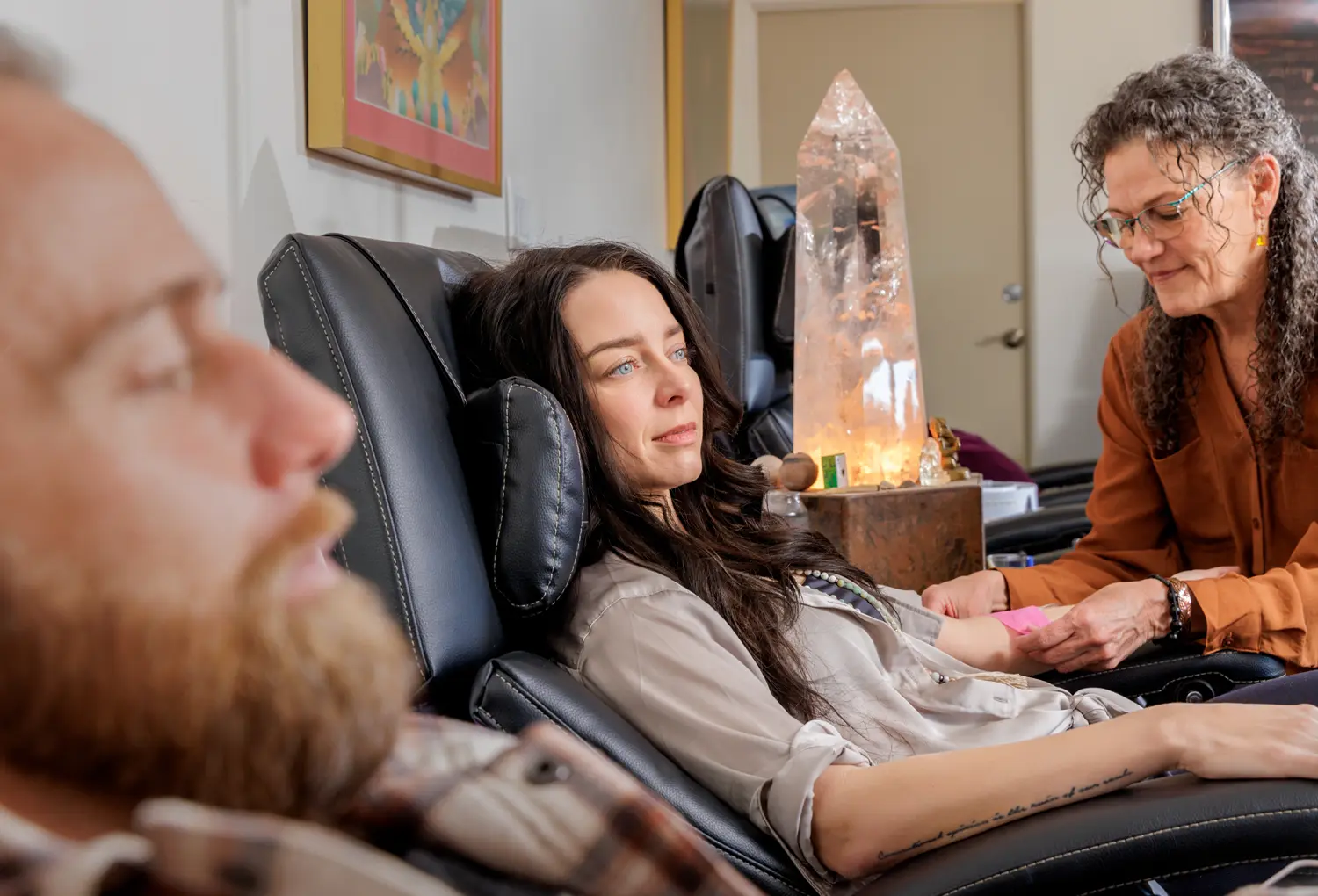
Our integrated treatment program uses a variety of holistic health methods to get to the core of your addiction. We don’t see you as defective or disordered. We see you as a whole person with a body, mind, soul, and spirit that have been affected by addiction. As such, we hold you with compassion as we work together on all of these parts of your being.
Treatment starts with a detailed evaluation by our medical and clinical teams. We’ll then create a personalized treatment plan that guides your recovery process over the course of your stay. This may include therapies such as:
If you’ve struggled with recovery before and relapsed, it doesn’t mean you’ve failed. It’s not unusual for recovery to take more than one try. That said, it’s our hope that your time in rehab with us is your last. We help you plan for recovery success from the very beginning of treatment, by:
If you’ve been struggling with fentanyl addiction, it’s time to rediscover your power to live fully again. Contact us today to learn more about how you can begin this life-changing journey.