
Read More
5 min read


At The Sanctuary, many of our clients come to us for a problem but find out its cause is what really needs healing. This is often the case with addiction, which always has trauma at its core. As humans, we all suffer from core wounds, and addiction is one strategy for coping with them. But if we really want to recover from drugs and alcohol, we need to resolve what’s making us feel like we need them. Doing so requires us to look deep within ourselves to identify and heal our traumas. And sometimes, that requires outside support.
Here, we’ll discuss how trauma imbalances our stress response system and how that can lead to substance abuse. We’ll also take a look at what we do at The Sanctuary to help people heal from trauma and addiction and finally be recovered.
Adverse childhood experiences, or ACEs, are potentially traumatizing occurrences that take place during childhood. These can include abuse, neglect, and family issues like substance akddiction and domestic violence. Psychologists can assign ACE scores that reflect the severity of your childhood experiences.
You can take the ACE quiz yourself here.
These scores are tied to your risk for mental and physical health issues later in life. There’s a strong correlation between high ACE scores and addiction. One study on the link between ACEs and alcohol abuse, for example, found that people with four or more ACEs were three times more likely to struggle with drinking as adults.
One way childhood trauma impacts us is by dysregulating our stress system.
As Dr. Nadine Burke Harris, pediatrician and ACE expert explains in her book The Deepest Well,
“Toxic stress response can occur when a child experiences strong, frequent, and/or prolonged adversity—such as physical or emotional abuse, neglect, caregiver substance abuse or mental illness, exposure to violence, and/or the accumulated burdens of family economic hardship—without adequate adult support. This kind of prolonged activation of the stress-response systems can disrupt the development of brain architecture and other organ systems, and increase the risk for stress-related disease and cognitive impairment, well into the adult years.”
If you’re affected by your childhood trauma, it may help to know that this is very common. In fact, it’s a result of the way humans are designed to deal with stress. It’s also very treatable, as we’ll discuss further below.
Our threat response system controls how we react to stress. It does this through the use of “stress hormones” like cortisol, which motivate us when we need to respond to danger. Our bodies operate using a complex mix of chemicals, and they naturally want these to be in balance. But substances like drugs and alcohol overstimulate us, causing our stress response to go into overdrive.
Our stress responses can be even more severe when something comes into what we feel is our safe zone. There are many ways this can happen. For example, social media and the 24-hour news cycle bring a plethora of potential triggers into our daily lies. The brain then associates those triggers with the environment you’re in at the time, which in turn makes that environment feel less safe.
This system helps us respond to danger. It’s designed to work quickly and go back to normal after the threat passes. But in situations where the danger repeatedly takes place — such as growing up in an abusive household — the threat is never resolved. These situations train our systems to heighten our baseline stress response. That’s why people who experience prolonged trauma often have symptoms like hypervigilance and anxiety.
Long-term effects of a dysregulated stress response system include immune disorders, cognitive impairment, difficulty regulating emotions, brain damage, anxiety, depression — and addiction.
Just as we build a tolerance to drugs and alcohol, we can also build a tolerance to trauma. Because the body knows that too many stress chemicals create a caustic environment, over time, it adapts to certain stressors and doesn’t react as strongly. This absence of a healthy hormonal balance can lead to chronic low energy and fatigue. But when we are triggered, we’re more likely to overreact.
Living with an exaggerated stress response means that stressors are more stressful. This is one reason why people who use substances and already have altered cortisol levels are at greater risk of developing PTSD if they’re exposed to trauma.
So, what does all of this have to do with addiction?
Trauma and chronic stress alter our stress system, which leaves us more vulnerable to problems with substance use.
People use drugs because of how they make them feel. And for people who feel generally more stressed, depressed, angry, etc. on a daily basis, feeling differently can be very appealing. People who struggle with hyperarousal and anxiety, for example, might long for the relief that alcohol, marijuana, and prescription drugs like opioids and other sedatives offer. Those who feel numb and detached, on the other hand, might really enjoy the sensation they get from cocaine, meth or prescription amphetamines like Adderall.
People in active addiction, therefore, may simply be trying the best they can to cope with the effects of trauma. But while drugs and alcohol may provide temporary relief, over time, they only make mental and emotional problems worse. And the constant presence of these toxic chemicals can seriously impact your physical health, too.
You’re not naturally chemically imbalanced — but drugs can create an imbalance. Alcohol, for example, reduces the levels of thiamine in the brain, which can cause cognitive impairment. Because we build tolerance during addiction, we tend to use more. While we don’t feel the effects as strongly, the amount of substances we use still increases. And so does the damage they cause.
The same thing can happen as a result of trauma-related stress like PTSD or burnout. This can lead to issues like inflammation, lowered immunity, inflammation, and digestive problems. This system also controls our emotional reactions and sexuality, as well as a host of other bodily functions.
That’s why, at The Sanctuary, we see healing from trauma and addiction as a whole-person process. Treatment here starts with calming your nervous system and uses a variety of techniques to treat all parts of you: your mind, body, soul and spirit.
While cortisol is our stress chemical, gamma aminobutyric acid (GABA) is our calming chemical. When we go through prolonged trauma or addiction, the body loses its ability to absorb GABA. And when your GABA levels are depleted, you’re more vulnerable to the effects of stress. Until you stabilize your bodily systems, you’re more likely to feel emotionally unstable. That’s why relaxing your nervous system is so important to your ability to recover.
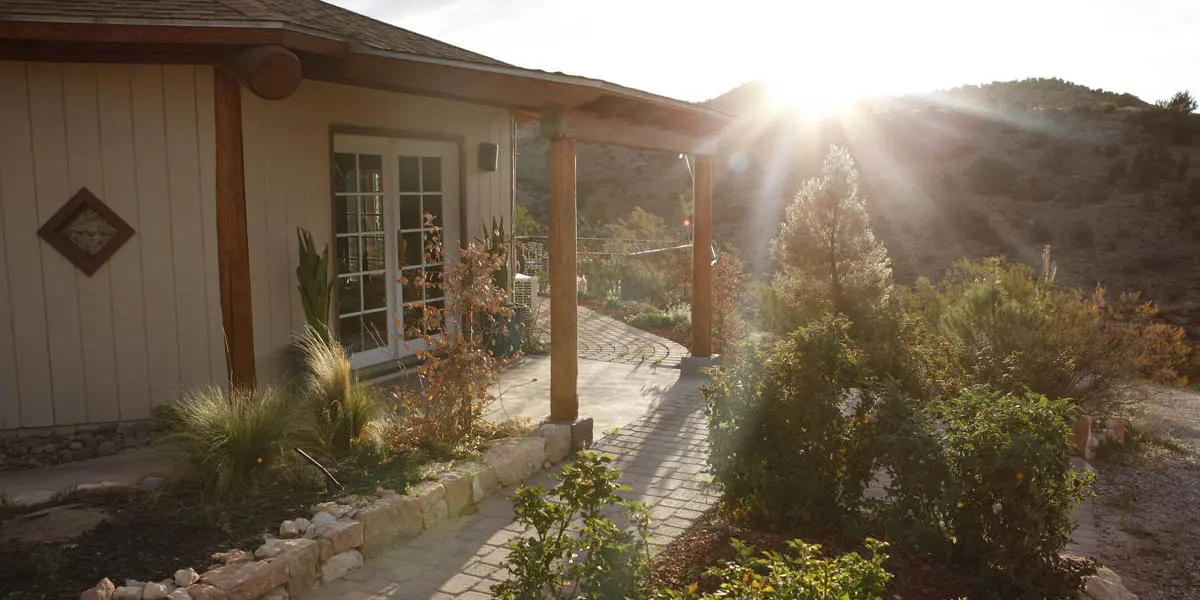
It’s amazing how effective basic things like sleep and nutrition can be in addressing this. It sounds simple, but these are often hard to come by when you’re in the throes of addiction or PTSD. At The Sanctuary, we understand this, and intentionally create a soothing environment that supports your recovery:
It’s crucial to be kind and compassionate to your body while allowing it to heal. And The Sanctuary is an ideal place to do just that.
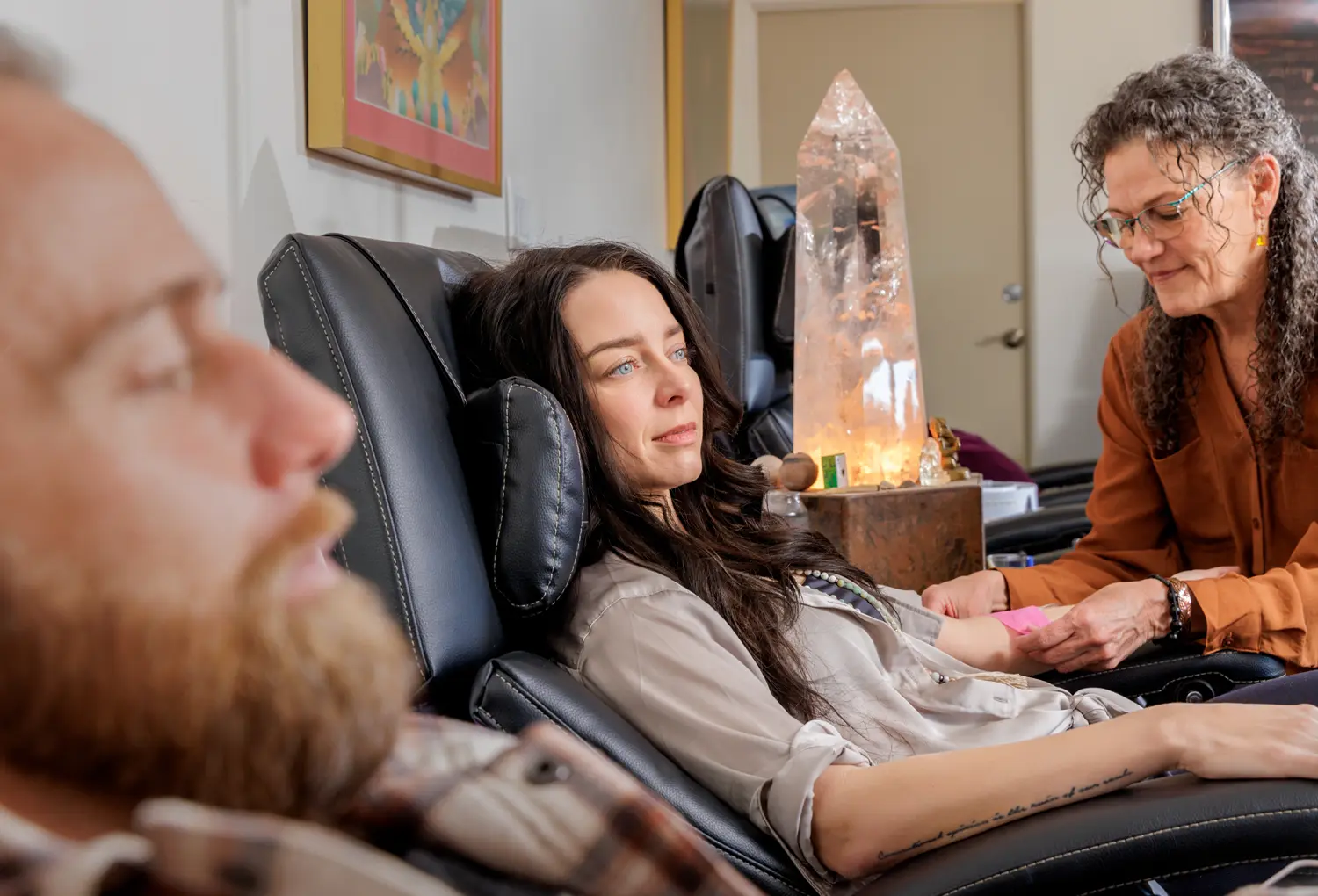
For those who need even more intensive support, we offer integrated IV therapies in our on-campus drip room as an optional addition to your program.
Nicotinamide adenine dinucleotide, or NAD+, is a co-enzyme that naturally occurs in your body. Both substance use and trauma can deplete your stores of NAD, which is essential to many of your bodily functions. This therapy can help by:
Our clients find this helps them regulate their systems more quickly so they can show up to their therapy sessions with a clearer mind, better energy, and a better ability to stay focused and present.
Many clients who come to The Sanctuary are physically and emotionally drained from prolonged trauma and substance abuse. We use a nutritional IV called Inner Harmony, also known as the Myers Cocktail, to treat depletion and help you feel better faster. Taking this blend of essential vitamins and minerals is most effective via IV, which is helpful if your body’s ability to absorb nutrients is compromised by substance use.
All IV therapy programs require pre-screening with Sanctuary medical staff to determine candidacy. They work in conjunction with nutritional and supplement protocols, as well as other aspects of our holistic program. All are residential programs, offered onsite and administered by on-staff medical doctors.
At The Sanctuary, we don’t just stop at a diagnosis. We encourage you to look deeper, to find out what’s underlying your symptoms. In fact, we believe that addiction itself is a symptom of something deeper. Until you identify and heal what drives you to use, true recovery isn’t possible.
Healing on a deeper level requires us to dive into our subconscious and see what we’re not aware of on a day-to-day basis. To do this, we use a variety of avenues such as sacred ceremonies, energy medicine and breathwork. This takes place in a supportive environment among experienced professionals so you can feel safe to be vulnerable. Talk therapy also supports this by giving you space to discuss whatever arises on your journey. This depth of attention is what helps many of our clients make breakthroughs even after decades of therapy elsewhere.
Our trauma and addiction treatment program exposes you to a wide variety of therapies. This is not only because they can reach parts of you that talk therapy alone can’t, but because it allows you to discover what you like best.
Many of our clients find that certain healing methods resonate with them, and choose to continue pursuing them after treatment. Even if you have experience with alternative therapies, you may get an opportunity to try something you never have before. Any and all of these can be a path to healing.
Breaking out of the past requires us to find something new, and you’ll get plenty of chances to do that at The Sanctuary. Treatments we offer include, but aren’t limited to:
We also teach you the essentials for maintaining your recovery and improving your quality of life long after you leave treatment. While in rehab, you’ll attend weekly recovery coaching classes to learn skills like emotional self-regulation and mindfulness-based relapse prevention. And, you’ll have a chance to voice any of your concerns and receive guidance from trusted staff members, during and after treatment. Half of our group therapy sessions are topic-based and teach tools for overcoming common struggles, such as:
… and more.
If you’re affected by trauma and struggling with addiction, there’s nothing wrong with you. We’re all doing the best we can, and sometimes that means looking for something to make us feel better. But there are ways to feel better that don’t involve putting toxins into your body or causing yourself further harm. And there are ways to truly heal from your past experiences.
To learn more about how The Sanctuary can help you reconnect with your personal power and take back your life, contact us today.